Travel in Mauritania: the complete practical guide
Ideal for: CouplesSoloRoad trip
Choose “Save as PDF” to keep it offline.
Contents
In short: Mauritania means Nouakchott and its fishing port, the Banc d’Arguin and its birds, then the Adrar desert, with Chinguetti, its dunes and its manuscript libraries. Go from November to March and apply for your e-visa before departure if your nationality requires one.
When to go to Mauritania
- November to March: the cool season, the best time for the Adrar desert, camps and walks in the dunes.
- April to October: the heat becomes intense inland (in Atar, average highs exceed 40 °C in July). The coast, in Nouakchott, stays milder thanks to the ocean.
Entry requirements
- E-visa: since 5 January 2025, travellers who need a visa, including French citizens, must obtain an e-visa before boarding. Apply only on the official ANRPTS website (anrpts.gov.mr). Beware of intermediary sites.
- Passport: check the required validity and number of blank pages on the official website.
- Health: see a doctor or a travel clinic before you leave about vaccinations and prevention suited to your route.
Rules depend on your nationality: check them on the ANRPTS website and your government’s travel advice before you go.
Coming from North Africa?
Mauritania is a close and easy destination from North Africa:
- Algerians and Tunisians: you are visa-exempt. The e-visa does not apply to you; you only need a valid passport.
- Flights: Royal Air Maroc links Casablanca with Nouakchott. From Algiers and Tunis, flights with a connection are available, notably via Casablanca. Compare times with our flight search.
Arriving in Mauritania
Most travellers arrive at Nouakchott–Oumtounsy International Airport, about 25 km north of the capital. There is no regular public transport to the centre:
- Taxi: agree the fare before getting in, as taxis have no meters.
- Pre-booked transfer: a driver waits for you on arrival, the easiest option if you land late.
Getting around Mauritania
- By car with a driver: the easiest way to reach the Adrar (Atar, Chinguetti, Ouadane) or the Banc d’Arguin. In the desert, travel with an experienced driver or guide and a 4x4.
- The desert train: the famous iron-ore train links Nouadhibou and Zouérat across the Sahara. It is an adventure in itself, to be prepared carefully.
Money, internet and practicalities
- Currency: the ouguiya (MRU). Bring cash and ask your accommodation which payment methods are accepted.
- Languages: Arabic is official, Hassaniya the most widely spoken dialect; French is widely used.
- Electricity: type C sockets, 220 V.
- Time: UTC+0, no daylight saving.
- Internet: a local SIM card, or a travel eSIM if it covers Mauritania (check the country list before buying).
What to see in Mauritania
- Nouakchott: the fishing port when the pirogues come back in the late afternoon, the fish market, the main market and the National Museum.
- Banc d’Arguin National Park: a UNESCO World Heritage site between desert and ocean, one of the great havens for migratory birds on the Atlantic coast, and home to the Imraguen fishermen.
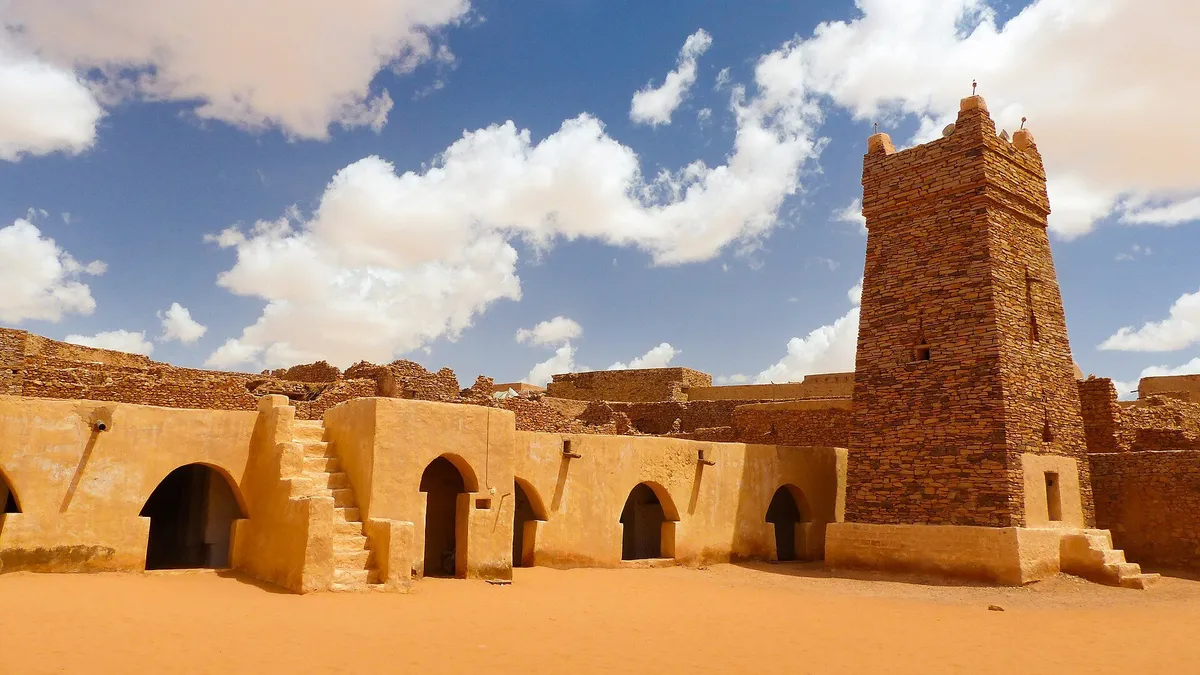
- Chinguetti: the stone mosque, the manuscript libraries and the Adrar dunes.
- Ouadane, Tichitt and Oualata: the other ancient ksour listed by UNESCO with Chinguetti.
- The Adrar oases, around Atar, and their palm groves.
Suggested itineraries
5 days: Nouakchott (1 day, the fishing port in the late afternoon), then the road to Atar and Chinguetti (2 days, with a night in a desert camp), and back.
8 to 10 days: Nouakchott, then the Adrar (Atar, Chinguetti, Ouadane, the oases), and finally the Banc d’Arguin on the coast road.
What to eat in Mauritania
- Mint tea, served in three successive glasses: a ritual of hospitality.
- Thieboudienne, rice with fish and vegetables, shared with neighbouring Senegal.
- Méchoui and grilled lamb or camel.
- Dates from the Adrar oases and camel milk.
- Fish, very fresh on the coast.
Culture and etiquette
- Mauritania is an Islamic Republic: dress modestly (shoulders and knees covered), especially outside Nouakchott. Alcohol is not freely sold.
- Hospitality is central: accepting tea is part of the encounter.
- Photos: always ask before photographing someone.
- During Ramadan, avoid eating and drinking in public during the day.
Health and safety
- Before you go: see a doctor or a travel clinic (vaccinations, prevention suited to your route).
- Heat and sun: plenty of water, a hat and sunscreen, especially in the desert.
- In the desert: always travel with an experienced driver or guide, and tell your accommodation about your route.
- Documents: keep your passport and visa with you.
- Before you go, check your government’s official travel advice.
Budget: tips to spend less
- Share the vehicle: a 4x4 with a driver for the Adrar costs less as a group.
- Stay in guesthouses in Chinguetti and the Adrar: simple and welcoming.
- Eat local: rice with fish, grills and tea are inexpensive.
- Travel at the start or end of the cool season (November, March) for more choice of accommodation.
Where to stay in Mauritania
In Nouakchott, the Tevragh Zeina district has most of the hotels; see our Nouakchott page. In Chinguetti, choose a guesthouse in the old town or a night in a desert camp; see our Chinguetti page.
Frequently asked questions
Do I need a visa for Mauritania?
For many nationalities, including French citizens, yes: since 5 January 2025, you must obtain an e-visa before boarding, only on the official ANRPTS website (anrpts.gov.mr). Algerian and Tunisian nationals are exempt. Check the rules for your passport before you go.
When should I go to Mauritania?
From November to March, during the cool season: the best time for the Adrar desert. Summer is very hot inland; the coast, in Nouakchott, stays milder.
How do I get from Nouakchott airport to the city?
Nouakchott–Oumtounsy International Airport is about 25 km north of the city. There is no regular public transport: take a taxi and agree the fare before getting in, or book a transfer.
Can you visit Chinguetti?
Yes: Chinguetti, a UNESCO World Heritage site together with Ouadane, Tichitt and Oualata, is reached by road from Atar, often by 4x4 with a driver. The mosque's interior is reserved for Muslims, but some manuscript libraries welcome visitors.
What language is spoken in Mauritania?
Arabic is the official language, and Hassaniya is the most widely spoken dialect. French is widely used in administration, business and tourism.
Related articles
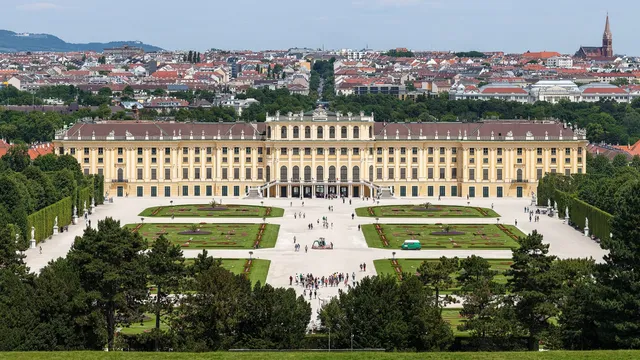
Travel in Austria: the complete practical guide
Plan a trip to Austria: when to go, Vienna and Salzburg, trains and the motorway vignette, the Alps and lakes, food and 5 to 10-day itineraries.
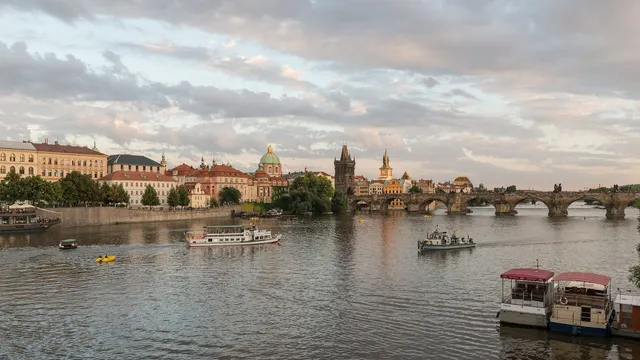
Travel in the Czech Republic: the practical guide
Plan a trip to the Czech Republic: Prague, when to go, the airport, the Czech koruna, trains, Český Krumlov and Kutná Hora, and itineraries.
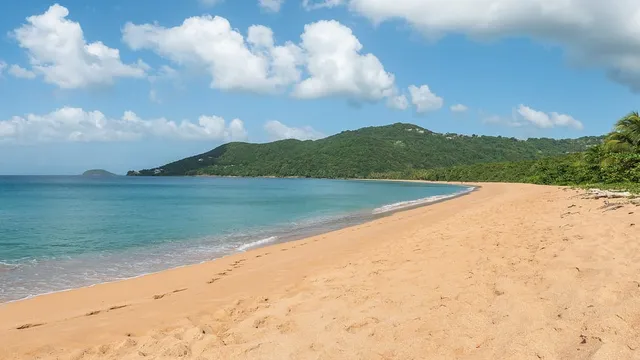
Travel in Guadeloupe: the complete practical guide
Plan a trip to Guadeloupe: entry rules, when to go, the airport, Grande-Terre and Basse-Terre, La Soufrière, nearby islands and itineraries.