Travel in the Czech Republic: the practical guide
Ideal for: CouplesOn a budgetSoloSeniors
Choose “Save as PDF” to keep it offline.

Contents
In short: the Czech Republic means Prague first, with Charles Bridge and the castle, but also listed towns such as Český Krumlov and Kutná Hora. Note: the currency is the Czech koruna, not the euro.
- FlightsCompare
- HotelsBooking.com (partner link, opens in a new tab)
- Car hireAutoEurope (partner link, opens in a new tab)
- eSIMCompare
- ToursTiqets (partner link, opens in a new tab)
- AirportWelcome Pickups (partner link, opens in a new tab)
- LuggageRadical Storage (partner link, opens in a new tab)
- Flight delayAirHelp (partner link, opens in a new tab)
When to go to the Czech Republic
- Spring (April to June) and September: the best time, with pleasant temperatures.
- Summer: high season in Prague, very busy.
- December: the Christmas markets, notably on Old Town Square; it is cold.
Entry requirements
- EU and Schengen citizens: a valid ID card or passport is enough.
- Other nationalities: check the entry rules with the Czech embassy or your foreign ministry.
Arriving in Prague
- There is no train from the airport. Bus 119 goes to Nádraží Veleslavín metro station (line A); the Airport Express (AE) bus, with its own ticket, runs to the main railway station.
- By train: Prague has direct trains to Vienna, Berlin and Budapest.
Getting around the Czech Republic
- In Prague: the centre is best explored on foot; the metro, trams and buses cover the rest of the city.
- Trains link Prague with the main cities (Brno, Plzeň); buses also serve Český Krumlov.
- A car is useful for the countryside. An electronic vignette is required on motorways.
Money, internet and practicalities
- Currency: the Czech koruna (CZK). Cards are widely accepted. If a terminal or cash machine offers to charge you in euros, choose koruna.
- Exchange: avoid exchange offices with unclear rates and never change money in the street.
- Mobile: as an EU country, roam-like-at-home applies for European plans.
- Language: Czech; English is common in Prague.
- Electricity: type C and E plugs, 230 V. Time: UTC+1 (UTC+2 in summer).
What to see in the Czech Republic
- Prague: Charles Bridge, the castle and St Vitus Cathedral, Old Town Square and its astronomical clock, Josefov and Petřín Hill. The historic centre is a UNESCO World Heritage Site.
- Kutná Hora: St Barbara’s Church and the Sedlec Ossuary, about an hour from Prague; UNESCO-listed.
- Český Krumlov: a small medieval town on the Vltava, overlooked by its castle, also UNESCO-listed.
- Karlovy Vary: a spa town, listed among the “Great Spa Towns of Europe”.
- Plzeň: the home of pilsner-style lager.
Suggested itineraries
3 days: Prague (old town, castle, Malá Strana).
5 days: Prague, with a day trip to Kutná Hora, then a night in Český Krumlov.
10 days: Prague, Kutná Hora, Český Krumlov, Karlovy Vary and Plzeň, or Prague and Vienna by train.
What to eat in the Czech Republic
- Svíčková, beef in a creamy sauce served with knedlíky (bread dumplings);
- Czech goulash;
- beer, served on draught in beer halls;
- pastries and trdelník, everywhere in the tourist streets.
Culture and etiquette
- In beer halls, people often share large tables.
- Tipping is customary in restaurants, by rounding up the bill.
- In churches, discreet clothing is appreciated.
Health and safety
Prague is a safe city, but watch out for pickpockets in busy places (Charles Bridge, trams). Use official taxis or ride-hailing apps. EU citizens can bring their European Health Insurance Card.
Frequently asked questions
What is the currency of the Czech Republic?
The Czech koruna (CZK). The country is in the European Union but does not use the euro. When a card terminal offers to charge you in euros, choose koruna instead to avoid a poor conversion rate.
How do I get from Prague Airport to the city centre?
There is no train. Bus 119 goes to Nádraží Veleslavín metro station (line A), and the Airport Express (AE) bus, with its own ticket, runs to the main railway station. Taxis and pre-booked transfers are also available.
Do I need a passport to travel to the Czech Republic?
Not if you are a citizen of the European Union or the Schengen area: a valid national ID card is enough. Other travellers should check the rules for their nationality.
Do I need a vignette to drive in the Czech Republic?
Yes, on motorways: the vignette is electronic and linked to your number plate. Buy it before you get on the motorway.
Related articles

Travel in Austria: the complete practical guide
Plan a trip to Austria: when to go, Vienna and Salzburg, trains and the motorway vignette, the Alps and lakes, food and 5 to 10-day itineraries.

Travel in Guadeloupe: the complete practical guide
Plan a trip to Guadeloupe: entry rules, when to go, the airport, Grande-Terre and Basse-Terre, La Soufrière, nearby islands and itineraries.
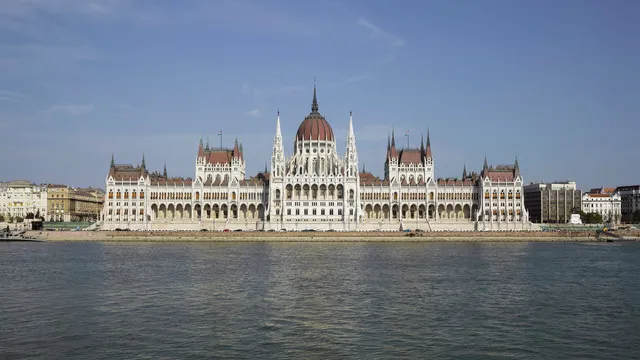
Travel in Hungary: the complete practical guide
Plan a trip to Hungary: Budapest and its thermal baths, when to go, the airport, the forint, Lake Balaton, the Danube Bend and itineraries.