Tevragh Zeina
Ideal for: first visit, comfort
The most affluent residential district, home to most hotels, restaurants and embassies.
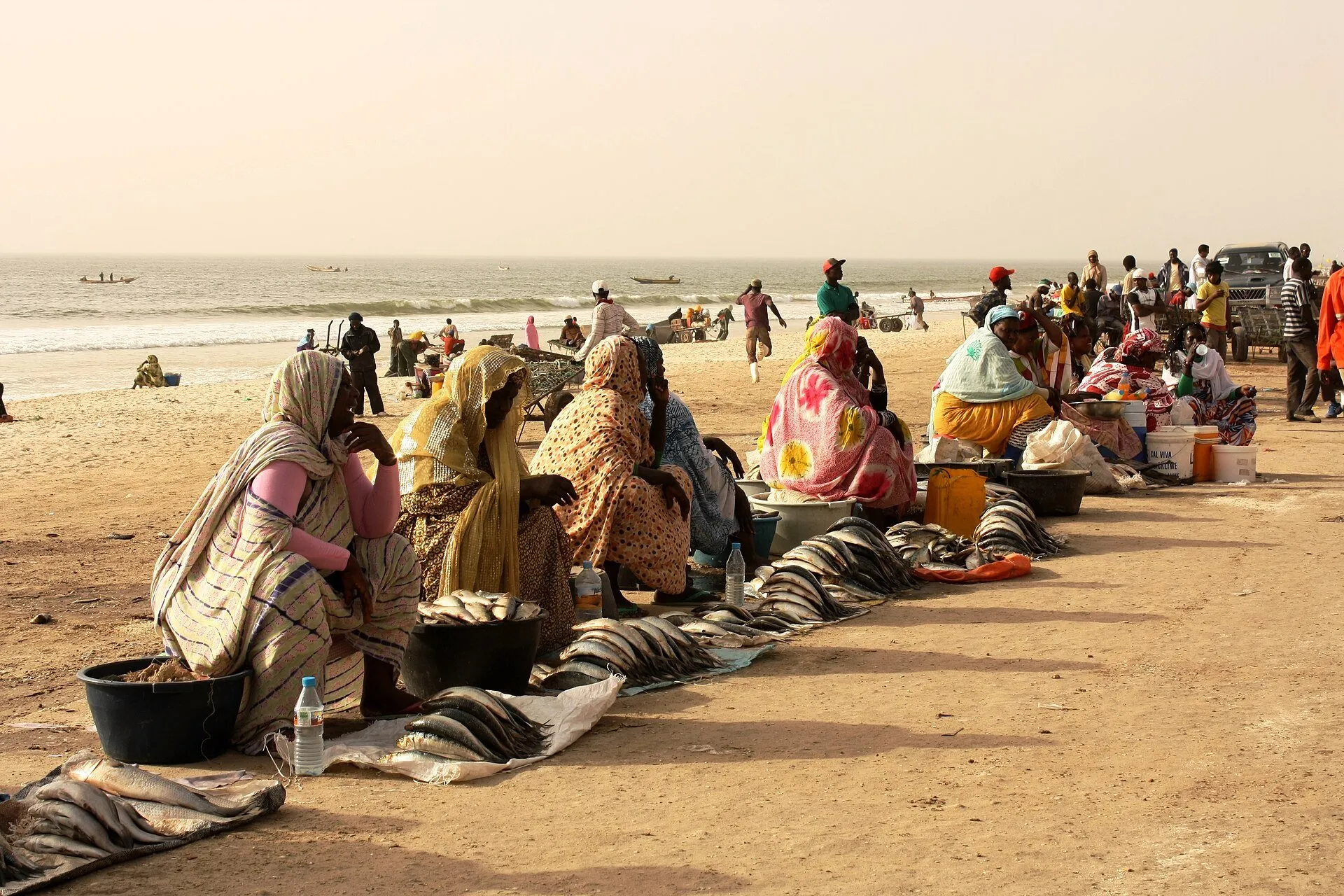
Mauritania's capital, between ocean and desert, with its lively fishing port and markets.
First visit: where to stay
Mauritania: the essentials
Ideal for: first visit, comfort
The most affluent residential district, home to most hotels, restaurants and embassies.
Ideal for: markets, budget
Around the main market and government buildings, busy by day, with simpler places to stay.
The warmest months are September and October (average highs up to 36 °C); the coolest, January and February (average lows of 15 °C).
| Month | Average low and high | Rain |
|---|---|---|
| Jan | 1 mm | |
| Feb | 1 mm | |
| Mar | 0 mm | |
| Apr | 0 mm | |
| May | 0 mm | |
| Jun | 1 mm | |
| Jul | 11 mm | |
| Aug | 51 mm | |
| Sept | 36 mm | |
| Oct | 8 mm | |
| Nov | 3 mm | |
| Dec | 1 mm |
Averages from the Nouakchott (Oumtounsy Airport) weather station (1991–2020 normals): the weather in any given year may differ. Source: Wikipedia, “Nouakchott” (accessed 28 October 2026), CC BY-SA 4.0. This table is shared under the same licence.
Founded in the late 1950s to become the country’s capital, Nouakchott stretches between the Atlantic Ocean and the dunes. It is Mauritania’s gateway and the starting point for the Banc d’Arguin and the Adrar desert.
Nouakchott–Oumtounsy International Airport is about 25 km north of the city. There is no regular public transport to the centre: take a taxi (agree the fare before getting in) or book a transfer. An e-visa, obtained before departure, is required for many nationalities, including French citizens.
All our tips for the country: Travel in Mauritania.