Travel in Lebanon: the complete practical guide
Contents
In short: Lebanon is a small country where you can go from the Mediterranean to the mountains in an hour. Beirut is the ideal base: from there, Byblos, Jeita Grotto, Harissa and Batroun are easy day trips, and Baalbek a longer one. The visa is issued on arrival, French and English are widely spoken, and cash is king.
- FlightsCompare
- HotelsBooking.com (partner link, opens in a new tab)
- eSIMCompare
- AirportKiwitaxi (partner link, opens in a new tab)
- LuggageRadical Storage (partner link, opens in a new tab)
- Flight delayAirHelp (partner link, opens in a new tab)
When to go to Lebanon
- Spring (April to June): the best time to see everything. Mild weather, green mountains and pleasant sightseeing.
- Summer (July and August): hot and humid on the coast, cooler in the mountains. Beach season, nightlife and the big festivals (Baalbek, Beiteddine, Byblos).
- Autumn (September to November): still warm, the sea is pleasant and sites are less busy.
- Winter (December to March): rain on the coast and snow in the mountains. You can ski at Faraya-Mzaar, in the mountains above Beirut, and at the Cedars, further north.
Entry requirements
For tourism, French citizens receive a free one-month visa on arrival, renewable. You need:
- a passport valid for at least six months after the date of entry;
- no Israeli stamp or visa in your passport, and no plane ticket mentioning Israel: entry would be refused.
Rules depend on your nationality and can change: check them before you go on the Lebanese embassy website or your government’s travel advice website.
Arriving in Beirut
Almost all travellers arrive at Rafic Hariri International Airport, about ten kilometres south of central Beirut. Allow 15 to 30 minutes by road, longer at rush hour.
- Taxi: official taxis wait outside arrivals. Agree on the fare before getting in.
- Ride-hailing app: handy to know the price in advance (Bolt operates in Beirut).
- Pre-booked transfer: a driver waits with your name, ideal when arriving late or with family.
Getting around Lebanon
There are no trains in Lebanon. Distances are short, but traffic is often heavy, especially around Beirut.
- With a driver or on an organised tour: the easiest way to reach Baalbek, the Qadisha Valley or the Cedars.
- By rental car: freedom for the mountains, but driving is challenging. Avoid keeping the car in Beirut, where parking is hard.
- “Services”: shared taxis that follow a route and pick up several passengers. Cheap, but always ask whether it is a “service” or a private ride.
- Minibuses: from Beirut, they leave mainly from Charles Helou station for the north (Byblos, Batroun) and from Cola roundabout for the south and the Bekaa. Handy and cheap, but with no fixed timetable.
Money and payments
Lebanon has been through a severe financial crisis, and cash is still the main way to pay. The US dollar is widely used alongside the Lebanese pound: many prices are shown in dollars.
- Cards are accepted in some hotels, restaurants and shops, but not everywhere.
- There are ATMs in the cities; ask your bank about fees.
- Bring several payment methods and always some cash.
Internet and phone
Lebanon is not part of the European Union: EU mobile plans do not work under EU roaming rules there, and roaming can be expensive. Check with your operator, or install a travel eSIM before you leave to be online as soon as you land.
Languages, electricity and practicalities
- Languages: Arabic is the official language, but French and English are widely spoken, especially in Beirut and in tourism.
- Electricity: public power cuts are frequent; hotels and many buildings have generators. Keep a power bank charged.
- Dress: covering clothing is required to visit mosques and some churches.
What to see in Lebanon
Beirut
The capital blends lively neighbourhoods, renowned food and remains from every era: the National Museum, the Corniche and the Pigeon Rocks, Gemmayzeh and Mar Mikhael for going out. See our guide Things to do in Beirut and where to stay in Beirut.
Byblos (Jbeil)
One of the oldest cities in the world, north of Beirut: a UNESCO-listed archaeological site, a Crusader castle, an old souk and a pretty harbour. See Byblos.
Baalbek
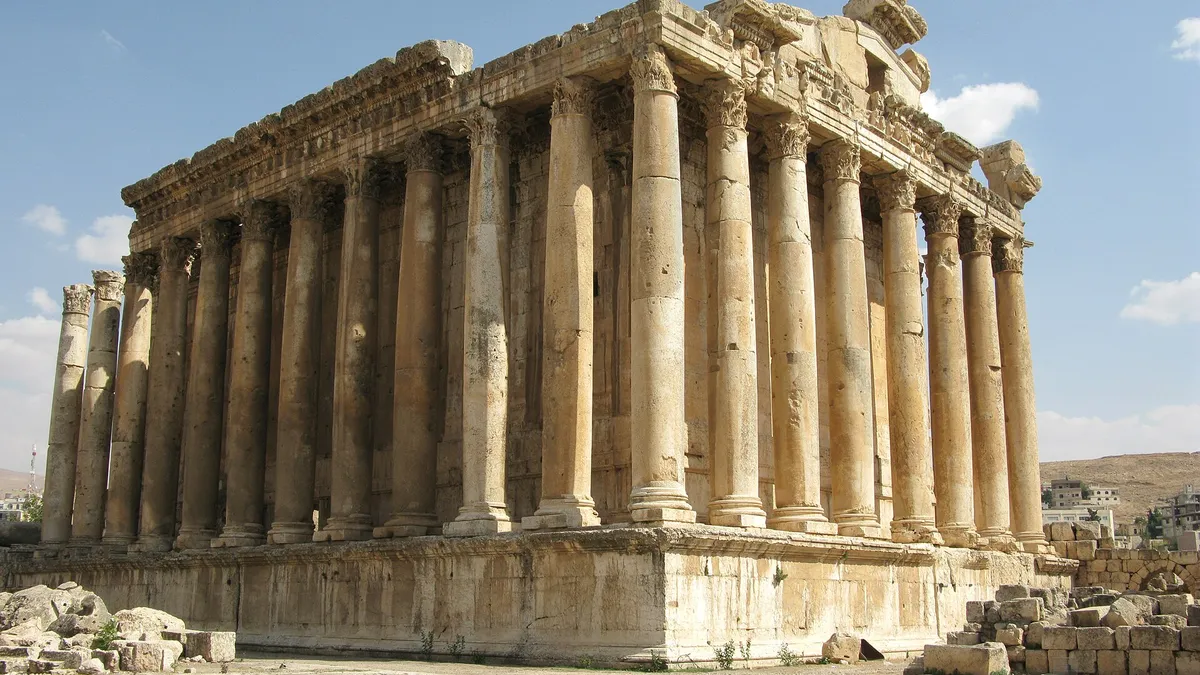
In the Bekaa plain, some of the most impressive Roman temples in the world, including those of Bacchus and Jupiter, also UNESCO-listed. A long day trip from Beirut. See Baalbek.
Jeita Grotto
A huge network of limestone caves, visited on foot and by boat, about twenty kilometres north of Beirut. The site has had temporary closures: check that it is open before you go.
Harissa and Jounieh
The shrine of Our Lady of Lebanon overlooks the bay of Jounieh, reached by a cable car with spectacular views of the coast.
Batroun
A small coastal town north of Byblos, with its old town, Phoenician wall, beaches and seafront restaurants.
The Qadisha Valley and the Cedars
In the north, the holy Qadisha Valley, its rock-cut monasteries, and the Forest of the Cedars of God near Bsharri: a UNESCO World Heritage site. In winter, you can ski at the Cedars.
Beiteddine and the Chouf
In the Chouf mountains, Beiteddine Palace, with its courtyards and mosaics, hosts a summer festival. The area also has the Chouf Cedar Reserve.
Anjar
In the Bekaa, the ruins of an Umayyad town, a UNESCO World Heritage site, often combined with Baalbek.
Suggested itineraries
4 days
- Beirut: National Museum, downtown, the Corniche.
- Byblos in the morning, Batroun in the afternoon and evening.
- Jeita Grotto and Harissa (cable car from Jounieh).
- Baalbek, with a driver or on an organised tour.
7 days Add the Qadisha Valley and the Cedars (a night there is more comfortable), Beiteddine Palace and the Chouf, and Anjar on the way to Baalbek.
Where to stay in Lebanon
For a first trip, Beirut is the best base: most sites are day trips. Choose your area to suit you: Achrafieh for charm, Hamra on a budget, Mar Mikhael and Gemmayzeh for nightlife, downtown for comfort. To enjoy the northern coast, one or two nights in Byblos or Batroun are a lovely option.
Frequently asked questions
Do I need a visa for Lebanon?
For tourism, French citizens receive a free one-month visa on arrival, renewable, with a passport valid for at least six months after entry. A passport with an Israeli stamp or visa is refused. Rules depend on your nationality: check the latest requirements before you go.
When is the best time to visit Lebanon?
Spring (April to June) and autumn (September to November) are the most pleasant for sightseeing. Summer is hot and humid on the coast, but it is the season for festivals and beaches. In winter it rains on the coast and snows in the mountains, where you can ski.
Can I pay by card in Lebanon?
Cash is still the main way to pay. The US dollar is widely used alongside the Lebanese pound. Cards are accepted in some hotels, restaurants and shops, and there are ATMs: bring several payment methods and some cash.
How do I get from the airport to central Beirut?
Rafic Hariri International Airport is about ten kilometres south of downtown: allow 15 to 30 minutes by road depending on traffic. The easiest options are an official taxi (agree on the fare before getting in), a ride-hailing app or a pre-booked transfer.
Do people speak English and French in Lebanon?
Arabic is the official language, but French and English are widely spoken, especially in Beirut, hotels, restaurants and tourist sites.
Related articles
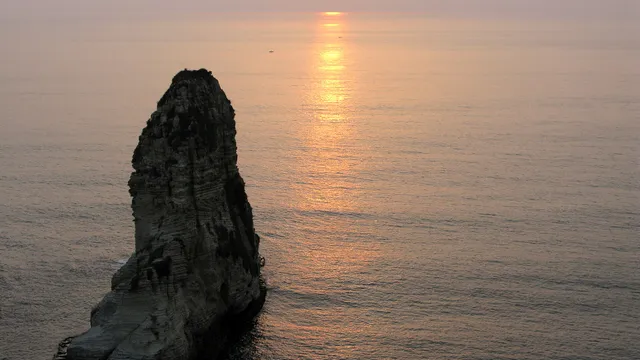
Things to do in Beirut: the must-sees
What to see and do in Beirut: National Museum, the Corniche, Pigeon Rocks, Gemmayzeh, Mar Mikhael, Sursock Museum and practical tips.
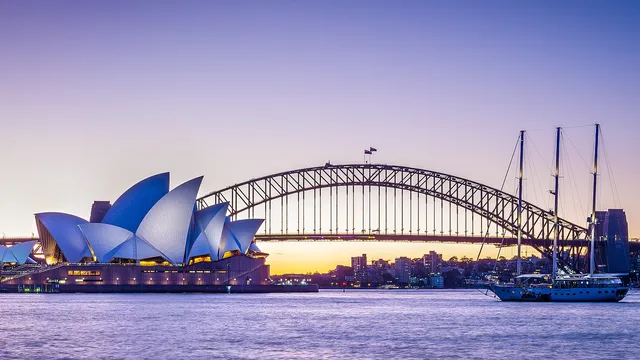
Travel in Australia: the complete practical guide
Plan a trip to Australia: when to go, the eVisitor, airports, driving on the left, distances, what to see from Sydney to Melbourne and itineraries.
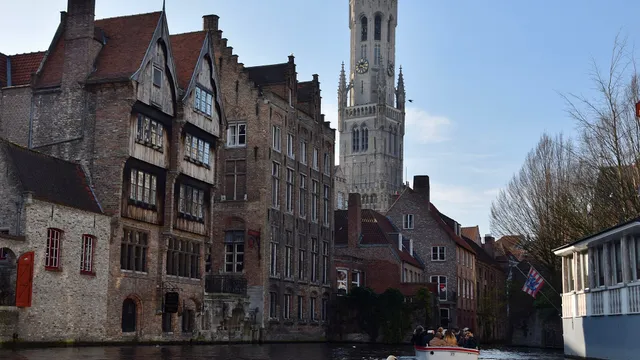
Travel in Belgium: the complete practical guide
Plan a trip to Belgium: when to go, entry rules, airports, trains, low emission zones, what to see from Brussels to Bruges and itineraries.