Things to do in Beirut: the must-sees
Contents
In short: Beirut is best discovered neighbourhood by neighbourhood. Start with the National Museum to understand the country’s history, walk along the Corniche to the Pigeon Rocks, then spend the evening in Gemmayzeh or Mar Mikhael. Save time for Lebanese food, one of the best reasons to come.
The National Museum of Beirut
The museum gathers Lebanon’s archaeological treasures, from prehistory to the Ottoman era: sarcophagi, mosaics, statues and Phoenician jewellery. Located on the former civil-war demarcation line, it reopened after the 2020 damage, and all its galleries can be visited again. It is the best introduction to a trip to Lebanon.
The Corniche and the Pigeon Rocks
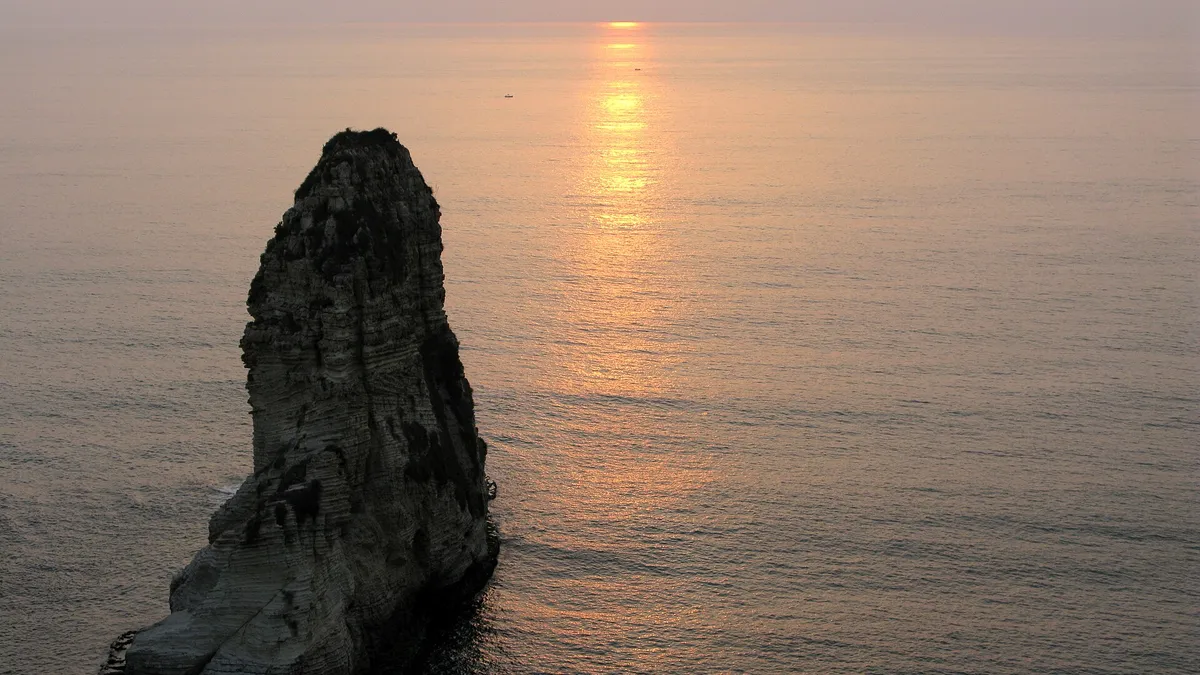
The Corniche runs along the sea for several kilometres: joggers, families, fishermen and coffee sellers share it from morning to night. It leads to the Pigeon Rocks (Raouché), Beirut’s most famous sight, stunning at sunset.
Downtown
Rebuilt after the war, downtown brings together Nejmeh Square, the large Mohammad al-Amin Mosque, St George’s Maronite Cathedral and the remains of the Roman baths. Nearby, the Beirut Souks, a modern shopping centre, and the Zaitunay Bay marina make for a pleasant late-afternoon stroll.
Gemmayzeh and Mar Mikhael
These two neighbouring districts, with old houses and flower-lined stairs, are the heart of Beirut’s nightlife: bars, restaurants, galleries and designer shops. Don’t miss the famous St Nicholas Stairs, linking Gemmayzeh to the heights of Achrafieh.
Achrafieh and the Sursock Museum
The Christian district of Achrafieh keeps beautiful old mansions. The Sursock Museum, set in a 19th-century villa, reopened in 2023 after its restoration and shows modern and contemporary Lebanese art.
Hamra and the AUB campus
Hamra Street, its cafés and bookshops form Beirut’s student quarter. Nearby, the campus of the American University of Beirut (AUB), with gardens facing the sea, is one of the most beautiful in the region.
Eating in Beirut
Lebanese food is one of the great pleasures of the trip: mezze to share (hummus, tabbouleh, moutabal), man’oushe with za’atar for breakfast, grilled meats and Middle Eastern pastries. Restaurants in Mar Mikhael, Gemmayzeh and Hamra suit every budget.
Day trips from Beirut
- Byblos: the old town, the archaeological site and the harbour, north of Beirut.
- Jeita Grotto: check that it is open before you go.
- Harissa: Our Lady of Lebanon and the cable car from Jounieh.
- Baalbek: the Roman temples of the Bekaa, in a long day.
All our tips for the rest of the country are in Travel in Lebanon.
Practical tips
- Getting around: traffic is heavy; use taxis, a ride-hailing app or “services” (shared taxis), always asking which type of ride it is.
- Paying: bring cash; the US dollar is widely used.
- Visiting: covering clothing is required in mosques and some churches.
- Staying: see where to stay in Beirut, area by area.
Frequently asked questions
How many days do you need in Beirut?
Two days are enough to see the essentials: the National Museum, downtown, the Corniche and the Gemmayzeh and Mar Mikhael neighbourhoods. Add days for day trips: Byblos, Jeita, Harissa or Baalbek.
Where is the best area for nightlife in Beirut?
Mar Mikhael and Gemmayzeh are packed with bars, restaurants and galleries, very lively at night. Hamra is more student-oriented and more affordable.
Is the National Museum of Beirut open?
Yes: the National Museum reopened after damage from the 2020 port explosion, and all its galleries, including the basement devoted to funerary art, can be visited again. Check opening hours before your visit.
Related articles
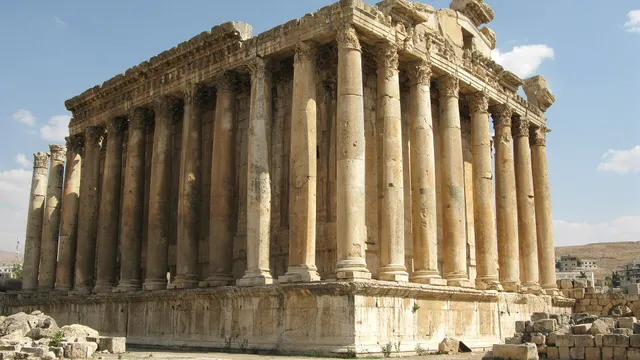
Travel in Lebanon: the complete practical guide
Plan a trip to Lebanon: when to go, visa, Beirut airport, getting around, money, what to see from Beirut to Baalbek, and itineraries.
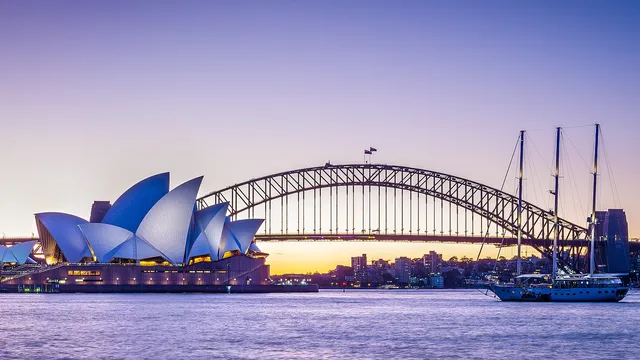
Travel in Australia: the complete practical guide
Plan a trip to Australia: when to go, the eVisitor, airports, driving on the left, distances, what to see from Sydney to Melbourne and itineraries.
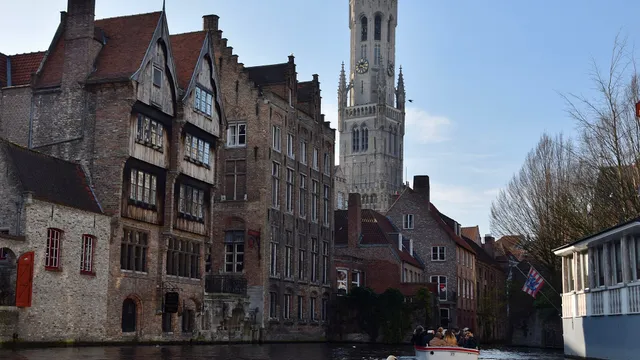
Travel in Belgium: the complete practical guide
Plan a trip to Belgium: when to go, entry rules, airports, trains, low emission zones, what to see from Brussels to Bruges and itineraries.