Travel in Belgium: the complete practical guide
Ideal for: CouplesFamiliesSoloSeniorsOn a budget
Contents
In short: Belgium is small and easy to explore by train. Brussels and Bruges are an hour apart, and Ghent or Antwerp are close by. If you drive, mind the low emission zones in the big cities.
- FlightsCompare
- HotelsBooking.com (partner link, opens in a new tab)
- Car hireAutoEurope (partner link, opens in a new tab)
- eSIMCompare
- ToursTiqets (partner link, opens in a new tab)
- AirportWelcome Pickups (partner link, opens in a new tab)
- LuggageRadical Storage (partner link, opens in a new tab)
- Flight delayAirHelp (partner link, opens in a new tab)
When to go to Belgium
- April to September: the best time for strolling, with long days.
- December: Christmas markets, in Brussels as well as Bruges.
- All year round: bring a rain jacket, the weather changes quickly.
Entry requirements
Belgium is part of the European Union and the Schengen area.
- EU citizens: a valid ID card or passport.
- Other travellers: a passport and, depending on nationality, a visa. The European Entry/Exit System (EES) has registered non-EU travellers at the borders since April 2026, and the ETIAS travel authorisation is announced for late 2026 for visa-exempt travellers.
Check the rules that apply to you on official websites before you go.
Arriving in Belgium
- Brussels Airport (Zaventem): trains reach Brussels-Central in about 15 to 20 minutes, several times an hour.
- Charleroi Airport: buses link the airport with Brussels-Midi.
- From Paris: high-speed trains reach Brussels-Midi in about 1 hour 20 minutes.
Getting around Belgium
- Trains link every city (Brussels, Bruges, Ghent, Antwerp, Liège, Namur) with short, frequent journeys.
- In town, metro, tram and bus in Brussels; Bruges and Ghent are best explored on foot.
- By car, the low emission zone covers the whole Brussels-Capital Region: a foreign vehicle must be registered online (free of charge) before entering. Antwerp and Ghent have their own: check the conditions before you go.
Money, internet and practicalities
- Currency: the euro. Cards are accepted almost everywhere.
- Internet: Belgium is in the EU: EU mobile plans usually work there at no extra cost. Outside the EU, a travel eSIM is the simplest option.
- Languages: Dutch in Flanders, French in Wallonia, both in Brussels.
What to see in Belgium
- Brussels: the Grand-Place, Manneken Pis, the museums and the Atomium.
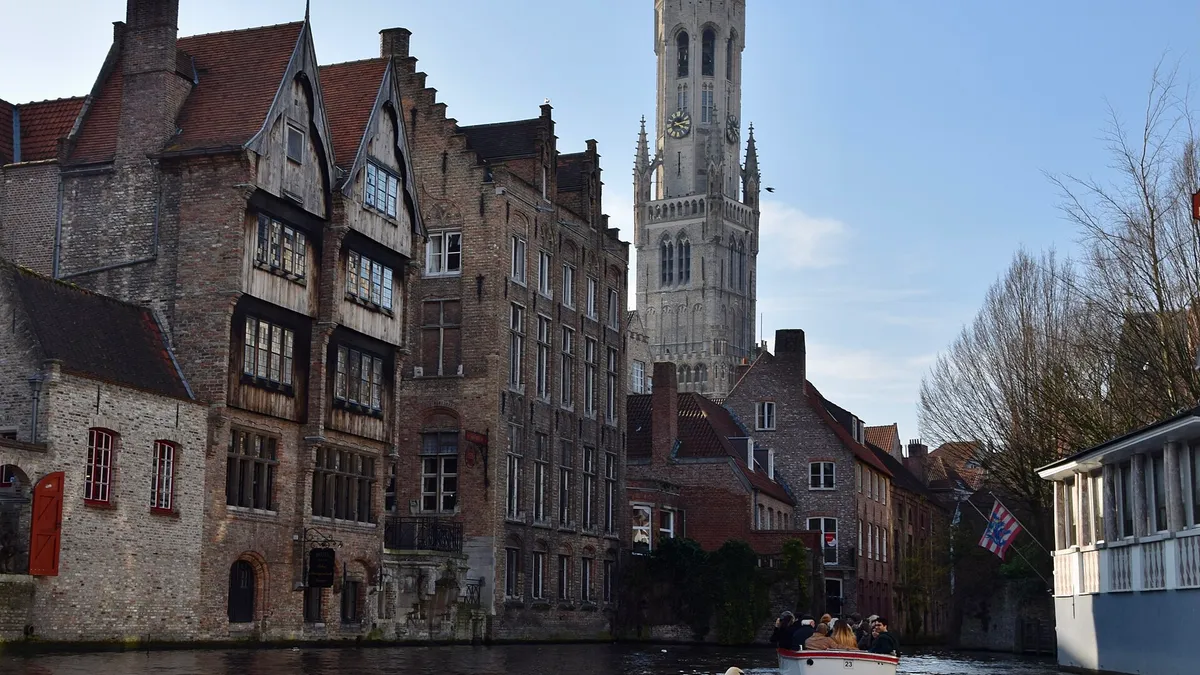
- Bruges: the Markt, the Belfry, the canals and the Beguinage.
- And also: Ghent and its quays, Antwerp and its cathedral, Liège, Namur, Dinant and the Ardennes, the Belgian coast.
Suggested itineraries
4 days: Brussels (2 days), Bruges (1 day and a night) and Ghent (1 day), by train.
7 days: add Antwerp, then the Ardennes or Dinant in the south.
Where to stay in Belgium
Stay near a station or in the historic centre, and spend at least one night in Bruges to enjoy the city in peace: our Brussels and Bruges pages present the best areas for your travel style.
Frequently asked questions
Do I need a passport for Belgium?
EU citizens can travel with a valid ID card or passport. Other travellers need a passport and, depending on nationality, a visa; the European Entry/Exit System (EES) has registered non-EU travellers since April 2026, and the ETIAS authorisation is announced for late 2026.
Can I drive into Brussels with a foreign car?
Yes, if the vehicle meets the standards of the low emission zone, which covers the whole Brussels-Capital Region. A vehicle registered abroad must be registered online, free of charge, before entering; Antwerp and Ghent also have low emission zones.
How do I get from Brussels Airport to the centre?
Trains link Brussels Airport to Brussels-Central in about 15 to 20 minutes, several times an hour.
What language is spoken in Belgium?
Dutch in Flanders (Bruges, Ghent, Antwerp), French in Wallonia, and both in Brussels. German is spoken in the east of the country. English is widely spoken in tourist areas.
Related articles
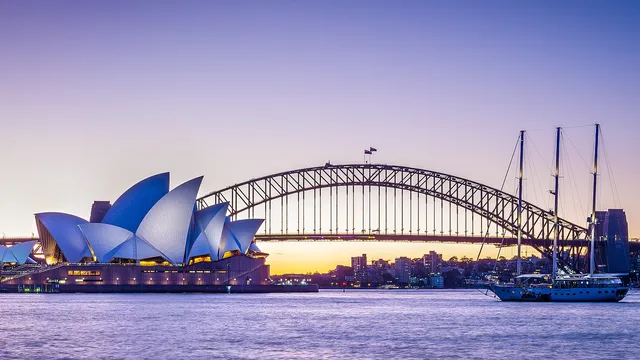
Travel in Australia: the complete practical guide
Plan a trip to Australia: when to go, the eVisitor, airports, driving on the left, distances, what to see from Sydney to Melbourne and itineraries.
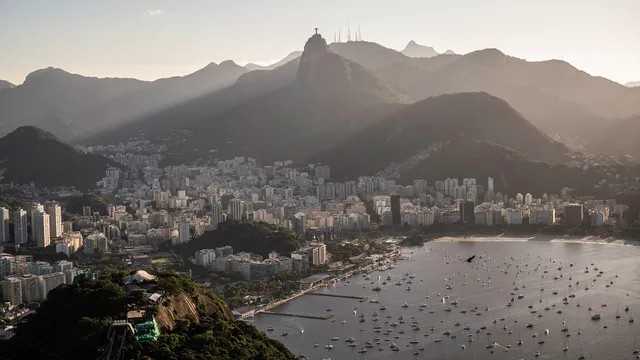
Travel in Brazil: the complete practical guide
Plan a trip to Brazil: when to go, entry rules, airports, transport, money, what to see from Rio de Janeiro to São Paulo and itineraries.
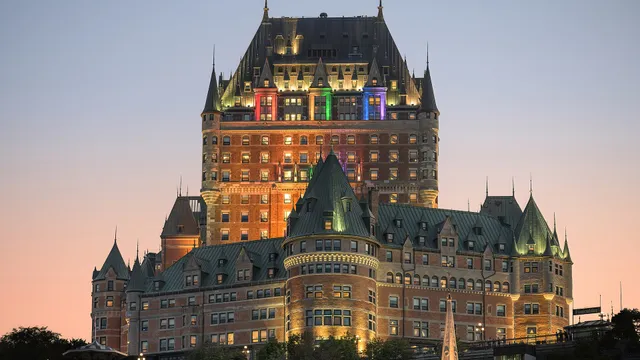
Travel in Canada: the complete practical guide
Plan a trip to Canada: when to go, the eTA, airports, transport, money and tipping, what to see from Montreal to Vancouver and itineraries.