Things to do in Dublin: the must-sees and our tips
Ideal for: CouplesSoloOn a budgetSeniors
Contents
In short: Dublin is a human-scale capital, best explored on foot. See the Book of Kells at Trinity College, wander Temple Bar and along the Liffey, visit the castle and St Patrick’s Cathedral, head up to the Guinness Storehouse, book Kilmainham Gaol, and get out of town to Howth or Glendalough. In the evening, it’s music in the pubs.
Trinity College and the Book of Kells
Founded in the 16th century, Trinity College holds the Book of Kells, an illuminated medieval manuscript, displayed along with the spectacular Long Room, its historic library with wooden shelves. The campus lawns are a haven of calm in the city centre.
Temple Bar, the Liffey and Grafton Street
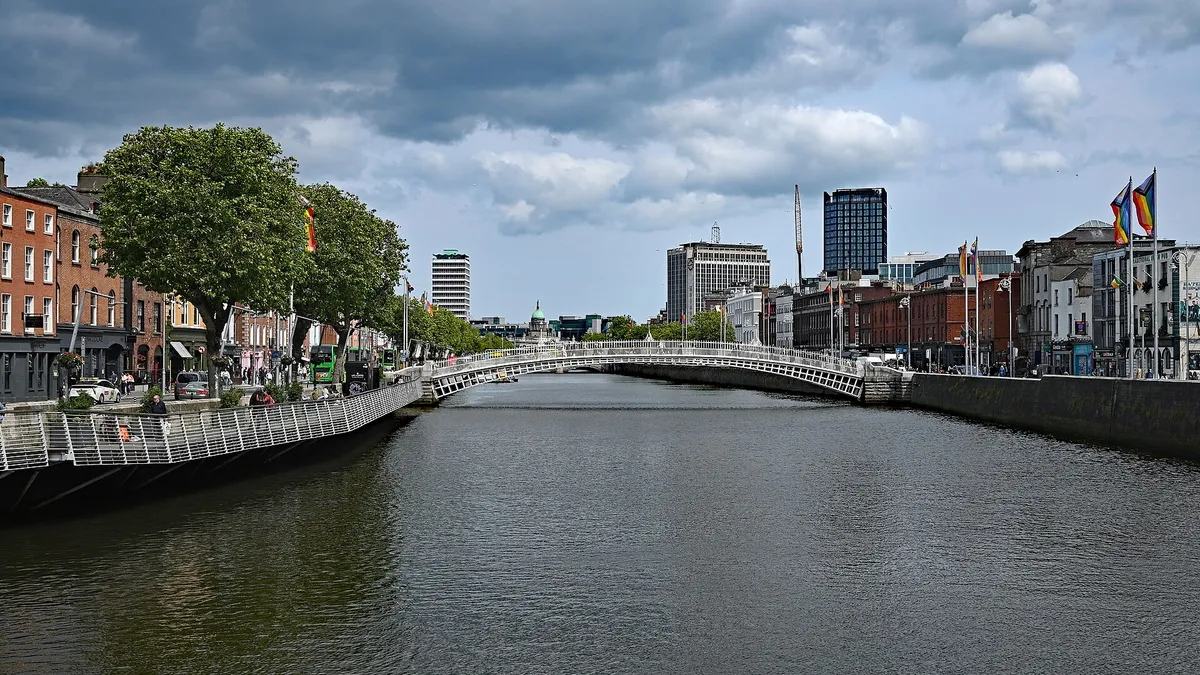
Temple Bar, with its cobbled lanes and colourful façades, is packed with pubs and Irish music: lively until late, it is also the most touristy area. Cross the Liffey on the Ha’penny Bridge, then walk up Grafton Street, a pedestrian shopping street, to St Stephen’s Green park.
The castle and the cathedrals
Dublin Castle, the seat of British rule for centuries, can be visited along with its state apartments. Nearby stand Christ Church Cathedral and St Patrick’s Cathedral, Ireland’s largest, where Jonathan Swift was dean.
The Guinness Storehouse
In the former St James’s Gate brewery, the Guinness Storehouse tells the story of the famous stout, up to the panoramic bar on the top floor with its view over the city. A very popular visit: book a time slot.
Kilmainham Gaol
A landmark of Irish history, Kilmainham Gaol held the leaders of the uprisings for independence. The guided tour is fascinating, but places go quickly: book ahead.
Museums and Georgian Dublin
- The National Museum of Ireland (archaeology) and the National Gallery.
- EPIC, the Irish emigration museum, on the docks.
- Georgian Dublin, around Merrion Square, and its colourful doors.
Day trips from Dublin
- Howth: a fishing harbour and a cliff walk, reached by suburban train (DART).
- Glendalough: a glacial valley and monastic site in the Wicklow Mountains.
- The Cliffs of Moher and Galway, further west, for a trip of a few days.
Getting around
- On foot in the centre; tram (Luas), buses and DART for the rest.
- From the airport, there’s no train: express buses (Dublin Express, Aircoach) and city buses reach the centre in 20 to 40 minutes depending on traffic.
- The weather changes fast: a light raincoat always comes in handy.
All our tips for the country: Travel in Ireland.
Where to stay in Dublin?
The centre between Temple Bar and Grafton Street for a first visit, Georgian Dublin for quiet, Smithfield and Stoneybatter for local life. Accommodation is in high demand: book early. All the areas are covered in our guide Where to stay in Dublin.
Frequently asked questions
How many days do you need in Dublin?
Two to three days for the city, plus a day for Howth or Glendalough. Dublin is also a good gateway to the rest of Ireland.
Do you need to book Kilmainham Gaol?
Yes: visits are guided and places go quickly. Book online several days in advance.
Do you need a passport to visit Ireland?
EU citizens can travel with a valid national ID card, but Ireland is not part of the Schengen area: there is a check on arrival.
Related articles
Dublin airport to the city centre: express coach, bus or taxi
How to get from Dublin airport to the city centre: express coaches (Dublin Express, Aircoach), city buses 16 and 41, taxi or booked transfer, plus our tips.
Where to stay in Dublin: the best areas for your trip
Temple Bar, Georgian Dublin, Smithfield, Stoneybatter, the Docklands, Ballsbridge, Rathmines: where to stay in Dublin for your travel style.
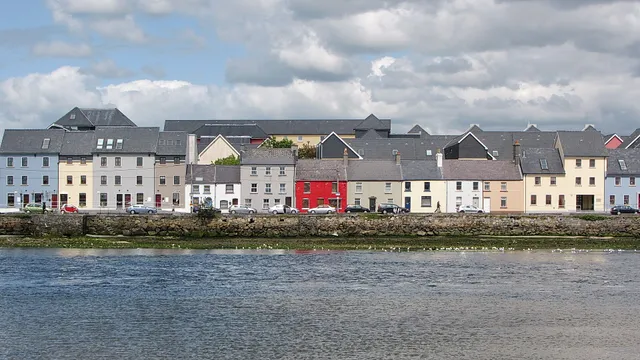
Things to do in Galway: must-sees and where to stay
What to see and do in Galway: the Latin Quarter, pubs and music, the Spanish Arch, the Long Walk, Salthill, the Cliffs of Moher, Connemara and the Aran Islands.