Travel in Tunisia: the complete practical guide
Ideal for: CouplesFamiliesSoloOn a budgetSeniors
Contents
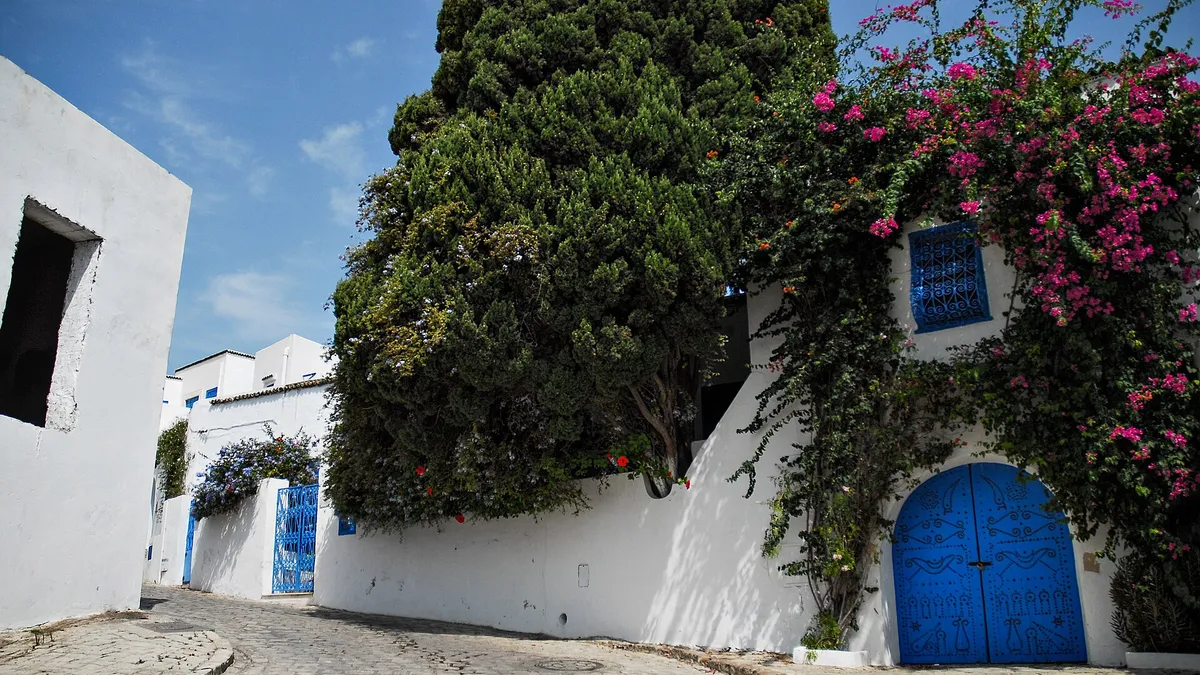
In short: in the north, Tunis, its medina, Carthage and Sidi Bou Said; in the south, the island of Djerba and the Sahara. Remember your passport (required since 2025) and the dinar, which cannot leave the country.
- FlightsCompare
- HotelsBooking.com (partner link, opens in a new tab)
- eSIMCompare
- AirportKiwitaxi (partner link, opens in a new tab)
- LuggageRadical Storage (partner link, opens in a new tab)
- Flight delayAirHelp (partner link, opens in a new tab)
When to go to Tunisia
- Spring (March to May) and autumn (September to November): the best time for cities and sites.
- Summer: beach season in Djerba, Hammamet or Sousse; very hot inland.
- October to April: Sahara season (Douz, Tozeur), with cool nights.
Entry requirements
- A passport is required for all visitors since 1 January 2025, valid for at least 3 months on entry, including on package holidays.
- Visas depend on nationality: French citizens, for example, do not need one for up to 3 months.
Check your situation on official websites before you go.
Arriving in Tunisia
- Tunis-Carthage: about 7 km from central Tunis; a taxi is the simplest option.
- Djerba-Zarzis: direct flights from Europe, handy for the south.
- Enfidha-Hammamet and Monastir: for the east-coast resorts.
Getting around Tunisia
- Louages (shared taxis) link towns quickly and cheaply.
- Trains link Tunis with Sousse, Sfax and the south; the TGM links Tunis with Carthage, Sidi Bou Said and La Marsa.
- A car or a driver gives freedom for the sites and the south.
- Domestic flights link Tunis and Djerba.
Money, internet and practicalities
- Currency: the Tunisian dinar, which cannot be imported or exported. Change money locally, keep the receipts and change dinars back before you leave.
- Payment: cards accepted in hotels and large shops; cash is king elsewhere.
- Internet: Tunisia is not in the EU: check your plan or get a travel eSIM.
- Dress: covering clothing is advisable when visiting religious sites.
What to see in Tunisia
- Tunis: the medina and its souks, Carthage and Sidi Bou Said.
- Djerba: Houmt Souk, the El Ghriba synagogue, the beaches; the island has been a UNESCO World Heritage site since 2023.
- Kairouan and its Great Mosque, the El Jem amphitheatre and the Sousse medina, all UNESCO-listed.
- The Sahara: Douz, Tozeur and the mountain oases, Matmata and the Star Wars sets.
- And also: Hammamet, Monastir, Bizerte and Cap Bon.
Suggested itineraries
7 days: Tunis (3 days, with Carthage and Sidi Bou Said), Kairouan and El Jem (1 to 2 days), then Djerba (2 days).
10 to 14 days: add the Sahara (Douz, Tozeur) and a beach stop in Hammamet or Sousse.
Where to stay in Tunisia
Our Tunis and Djerba pages present the best areas for your travel style, from a guesthouse in the medina to a seaside hotel.
Frequently asked questions
Do I need a passport for Tunisia?
Yes: since 1 January 2025, all visitors must show a passport valid for at least 3 months on the date of entry, including on package holidays. Visa rules depend on your nationality (French citizens, for example, do not need a visa for up to 3 months): check the rules that apply to you.
Can I take Tunisian dinars out of the country?
No: the dinar cannot be imported or exported. Change money in Tunisia (banks, exchange offices, hotels), keep the receipts to change dinars back before you leave, and do not leave the country with dinars.
When is the best time to visit Tunisia?
Spring and autumn are the most pleasant for sightseeing. Summer is beach season, but it is very hot inland; the Sahara is best from October to April.
Does my mobile plan work in Tunisia?
Tunisia is not part of the European Union: roaming can be expensive. Check with your operator, or install a travel eSIM before you leave.
Related articles
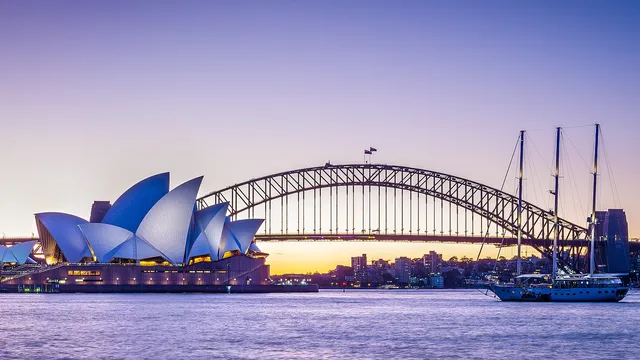
Travel in Australia: the complete practical guide
Plan a trip to Australia: when to go, the eVisitor, airports, driving on the left, distances, what to see from Sydney to Melbourne and itineraries.
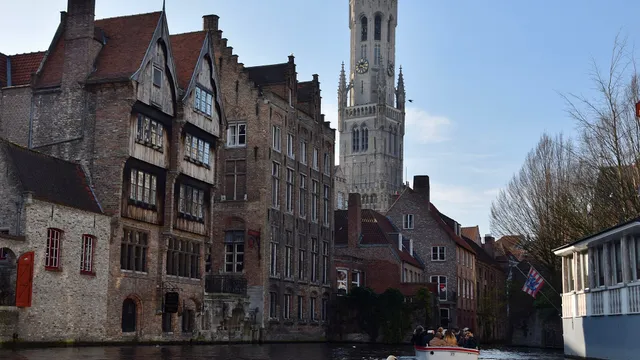
Travel in Belgium: the complete practical guide
Plan a trip to Belgium: when to go, entry rules, airports, trains, low emission zones, what to see from Brussels to Bruges and itineraries.
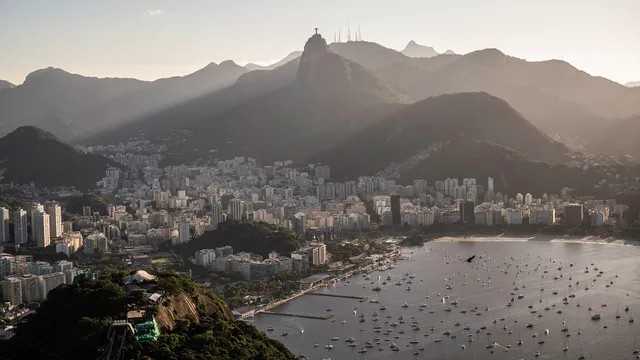
Travel in Brazil: the complete practical guide
Plan a trip to Brazil: when to go, entry rules, airports, transport, money, what to see from Rio de Janeiro to São Paulo and itineraries.