Travel in Brazil: the complete practical guide
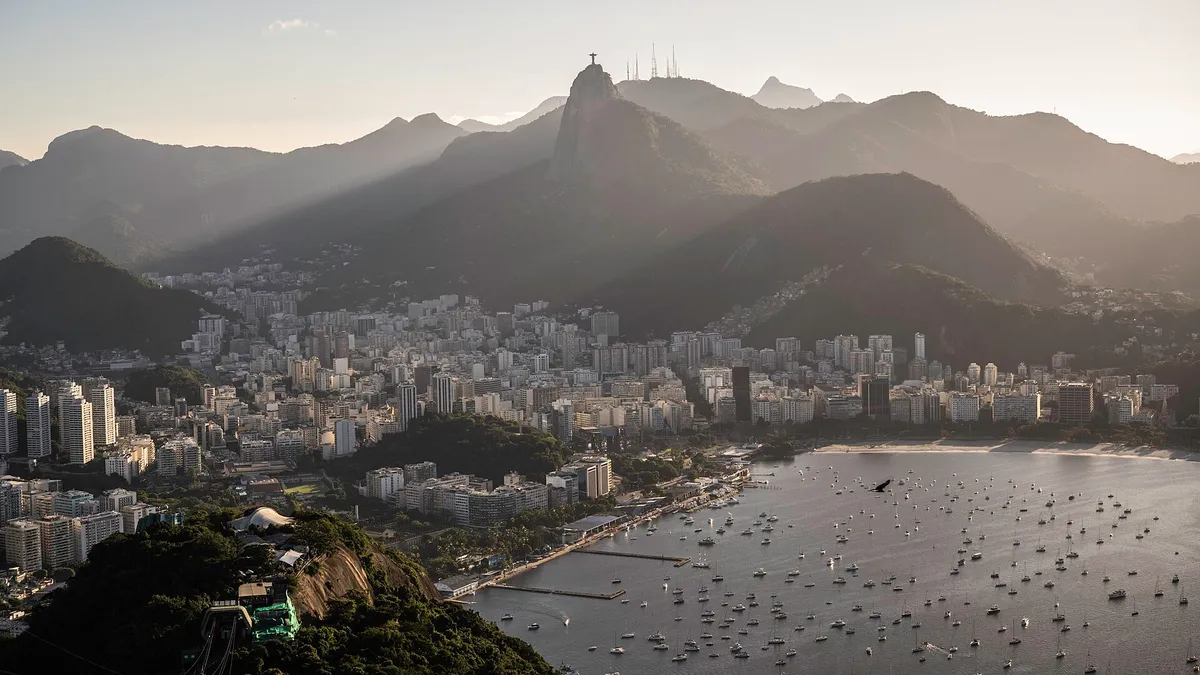
Contents
In short: Rio de Janeiro, its beaches and mountains; São Paulo, its museums and food; and a huge country to explore region by region. Many Europeans enter without a visa; US, Canadian and Australian citizens need an e-Visa.
- FlightsCompare
- HotelsBooking.com (partner link, opens in a new tab)
- eSIMCompare
- AirportKiwitaxi (partner link, opens in a new tab)
- LuggageRadical Storage (partner link, opens in a new tab)
- Flight delayAirHelp (partner link, opens in a new tab)
When to go to Brazil
- December to March (summer): hot and lively in Rio, with Carnival in February or March depending on the year.
- June to September (winter): milder and drier in Rio and São Paulo, pleasant for sightseeing.
- By region: the Amazon and the Northeast have their own rainy seasons.
Entry requirements
- France and many European countries: no visa for tourist stays of up to 90 days (per 180-day period), with a valid passport.
- United States, Canada, Australia: an e-Visa is required before departure since 10 April 2025.
Check the rules that apply to you on official websites before you go.
Arriving in Brazil
- Rio de Janeiro (Galeão): about an hour by road to Copacabana depending on traffic.
- São Paulo (Guarulhos): a train (line 13) links the airport to the city’s rail network; taxis and ride-hailing are plentiful.
Getting around Brazil
- Flying is essential for long distances (Rio, São Paulo, Salvador, Foz do Iguaçu, Manaus).
- Long-distance buses are comfortable and link every city.
- In town, metro, ride-hailing and taxis; a car is useful for the coast (Paraty, Ilha Grande).
Money, internet and practicalities
- Currency: the real. Cards are very widely accepted; the Pix instant payment system is everywhere.
- Language: Portuguese; English is less widely spoken outside tourist areas.
- Internet: a travel eSIM gets you online as soon as you land.
What to see in Brazil
- Rio de Janeiro: Christ the Redeemer, Sugarloaf Mountain, Copacabana and Ipanema.
- São Paulo: Avenida Paulista, MASP, Ibirapuera Park and the food scene.
- Iguaçu Falls, on the border with Argentina.
- And also: Salvador da Bahia, Paraty and Ilha Grande, the Amazon, Florianópolis, the Pantanal.
Suggested itineraries
7 days: Rio de Janeiro (4 days), then Paraty or Ilha Grande (3 days).
14 days: add Iguaçu Falls and Salvador da Bahia, by plane.
Where to stay in Brazil
Our Rio de Janeiro and São Paulo pages present the best areas for your travel style. During Carnival, book very early.
Frequently asked questions
Do I need a visa for Brazil?
It depends on your nationality. Citizens of France and many other European countries need no visa for tourist stays of up to 90 days (per 180-day period), with a valid passport. Since 10 April 2025, citizens of the United States, Canada and Australia must obtain an e-Visa before departure.
When is the best time to visit Brazil?
The country is huge: in Rio de Janeiro, summer (December to March) is hot and lively, with Carnival in February or March; winter (June to September) is milder and drier. The Amazon and the Northeast have different rainy seasons.
How do I get from Rio airport to Copacabana?
Galeão International Airport is about 23 km from Copacabana: allow about an hour by road depending on traffic, by taxi, ride-hailing or bus.
How do people pay in Brazil?
The currency is the real. Cards are very widely accepted; Brazilians also use the Pix instant payment system a lot. Keep some cash for small purchases.
Related articles
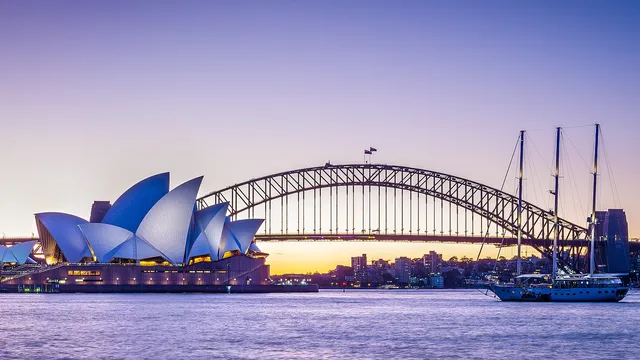
Travel in Australia: the complete practical guide
Plan a trip to Australia: when to go, the eVisitor, airports, driving on the left, distances, what to see from Sydney to Melbourne and itineraries.
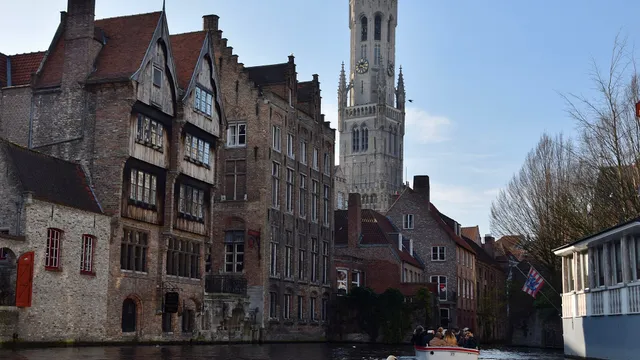
Travel in Belgium: the complete practical guide
Plan a trip to Belgium: when to go, entry rules, airports, trains, low emission zones, what to see from Brussels to Bruges and itineraries.

Travel in Canada: the complete practical guide
Plan a trip to Canada: when to go, the eTA, airports, transport, money and tipping, what to see from Montreal to Vancouver and itineraries.