Travel in the UK: the complete practical guide
Contents
In short: since February 2026, EU and other visa-exempt visitors need an Electronic Travel Authorisation (ETA), and a passport, to enter the UK. London is reached by Eurostar from Paris, and its major museums are free. Remember the currency (pound sterling), different plugs and driving on the left.
- FlightsCompare
- HotelsBooking.com (partner link, opens in a new tab)
- Car hireAutoEurope (partner link, opens in a new tab)
- eSIMCompare
- ToursTiqets (partner link, opens in a new tab)
- AirportWelcome Pickups (partner link, opens in a new tab)
- LuggageRadical Storage (partner link, opens in a new tab)
- Flight delayAirHelp (partner link, opens in a new tab)
Entry requirements: ETA and passport
The United Kingdom is no longer part of the European Union.
- ETA: visa-exempt travellers, including EU citizens, must get an Electronic Travel Authorisation before travelling, mandatory since February 2026. Without it, the carrier may refuse boarding (plane, train or ferry). Apply on the official UK government website or app; beware of intermediary sites.
- Passport: ID cards are no longer accepted for most EU travellers since 2021.
Check the latest rules on gov.uk before you go.
When to go
- Spring and early autumn: the best time, with gardens in bloom and fewer crowds than in summer.
- Summer: long days and lively parks, but it is high season.
- Winter: cool and damp, ideal for museums and Christmas markets. Pack an umbrella all year round.
Arriving in London
- By Eurostar: from Paris Gare du Nord to St Pancras International in about 2h16; arrive early for checks.
- Heathrow: the Heathrow Express reaches Paddington in about 15 minutes; the Elizabeth line and the Tube (Piccadilly line) are cheaper and slower.
- Gatwick, Stansted, Luton: linked to the centre by trains and buses.
Getting around
- In London: the Tube, buses and trains accept contactless payment by card or phone, with daily caps.
- Beyond London: trains serve Oxford, Cambridge, Bath and York; book early for better fares.
- By car: you drive on the left. Handy for the Cotswolds, Scotland or the Highlands, useless in London (congestion charge and hard parking).
Money, internet and practicalities
- Currency: the pound sterling (GBP). Cards are accepted almost everywhere, often even for small amounts.
- Internet: the UK is not in the EU: check your operator’s roaming terms, or install a travel eSIM.
- Plugs: type G (three pins); bring an adapter.
What to see in the UK
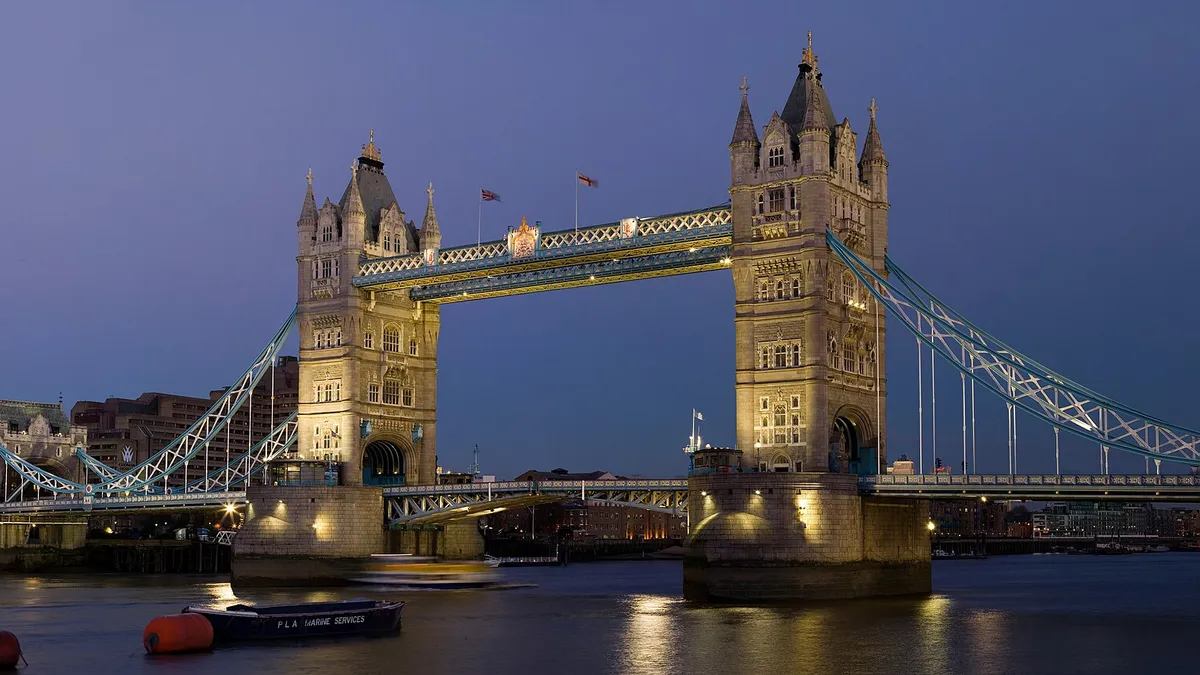
- London: the Tower of London and Tower Bridge, Westminster, the British Museum, the National Gallery, Camden, Notting Hill, West End theatres.
- Day trips from London: Oxford, Cambridge, Windsor, Bath and Stonehenge.
- Further afield: Edinburgh and the Highlands in Scotland, York, the Cotswolds, the Lake District.
Where to stay
In London, choose an area near a well-connected Tube station: our London page presents the best areas for your travel style, including King’s Cross, very handy when arriving by Eurostar.
Frequently asked questions
Do I need a visa for the UK?
EU citizens do not need a visa for tourism, but must get an Electronic Travel Authorisation (ETA) before travelling, mandatory since February 2026, and travel with a passport. Other nationalities: check the official UK government website (gov.uk).
Can EU citizens enter the UK with an ID card?
Not in most cases: since 2021 the UK no longer accepts ID cards, except for some travellers (for example residents with UK settled status). Bring a valid passport.
How do I get from Paris to London?
Eurostar links Gare du Nord to St Pancras International in about 2h16, centre to centre. Arrive early for security and border checks.
Are London's museums free?
The major national museums are free for their permanent collections: British Museum, National Gallery, Tate Modern, Natural History Museum, Science Museum and the Victoria and Albert Museum. Temporary exhibitions are often paid.
Related articles
Travel in Australia: the complete practical guide
Plan a trip to Australia: when to go, the eVisitor, airports, driving on the left, distances, what to see from Sydney to Melbourne and itineraries.
Travel in Belgium: the complete practical guide
Plan a trip to Belgium: when to go, entry rules, airports, trains, low emission zones, what to see from Brussels to Bruges and itineraries.

Travel in Brazil: the complete practical guide
Plan a trip to Brazil: when to go, entry rules, airports, transport, money, what to see from Rio de Janeiro to São Paulo and itineraries.