Travel in Switzerland: the complete practical guide
Contents
In short: Switzerland is best explored by train, from Geneva to Zurich and Lucerne. It is in the Schengen area but not in the European Union: plan for Swiss francs, check your mobile plan, and buy the vignette if you use the motorways.
- FlightsCompare
- HotelsBooking.com (partner link, opens in a new tab)
- Car hireAutoEurope (partner link, opens in a new tab)
- eSIMCompare
- ToursTiqets (partner link, opens in a new tab)
- AirportWelcome Pickups (partner link, opens in a new tab)
- LuggageRadical Storage (partner link, opens in a new tab)
- Flight delayAirHelp (partner link, opens in a new tab)
When to go to Switzerland
- Summer (June to September): the season for lakes, hiking and mountain railways.
- Winter (December to March): ski season and snowy villages.
- Spring and autumn: quieter, ideal for the cities. Some mountain lifts close between seasons.
Entry requirements
Switzerland is part of the Schengen area, but not the European Union.
- EU citizens: a valid ID card or passport.
- Other travellers: a passport and, depending on nationality, a visa. The European Entry/Exit System (EES) has registered non-EU travellers at the borders since April 2026, and the ETIAS travel authorisation is announced for late 2026 for visa-exempt travellers.
Check the rules that apply to you on official websites before you go.
Arriving in Switzerland
- Geneva: trains link the airport to Cornavin station in 6 to 7 minutes. A free 80-minute ticket is issued by a machine in the baggage area.
- Zurich: trains reach the main station in 10 to 13 minutes, several times an hour.
- From France: the TGV Lyria links Paris to Geneva in just over 3 hours, and to Zurich in about 4 hours.
Getting around Switzerland
- Trains are the best way to travel: punctual, frequent and connected to buses, boats and mountain railways. Visitor travel passes can be worthwhile if you move around a lot.
- By car, a motorway vignette is required (electronic or sticker). Mountain roads are superb, but some passes close in winter.
- In the cities, trams, buses and boats are enough: a car is unnecessary.
Money, internet and practicalities
- Currency: the Swiss franc. Cards are accepted almost everywhere; euros are sometimes accepted, but change is given in francs.
- Internet: Switzerland is not in the EU. Your EU plan may not apply: check it, or get a travel eSIM.
- Languages: French in Geneva and western Switzerland, German in Zurich and Lucerne, Italian in Ticino.
What to see in Switzerland
- Geneva: the Jet d’Eau, the old town, the Palace of Nations and CERN.
- Zurich: the old town on the Limmat, the lake and the museums.
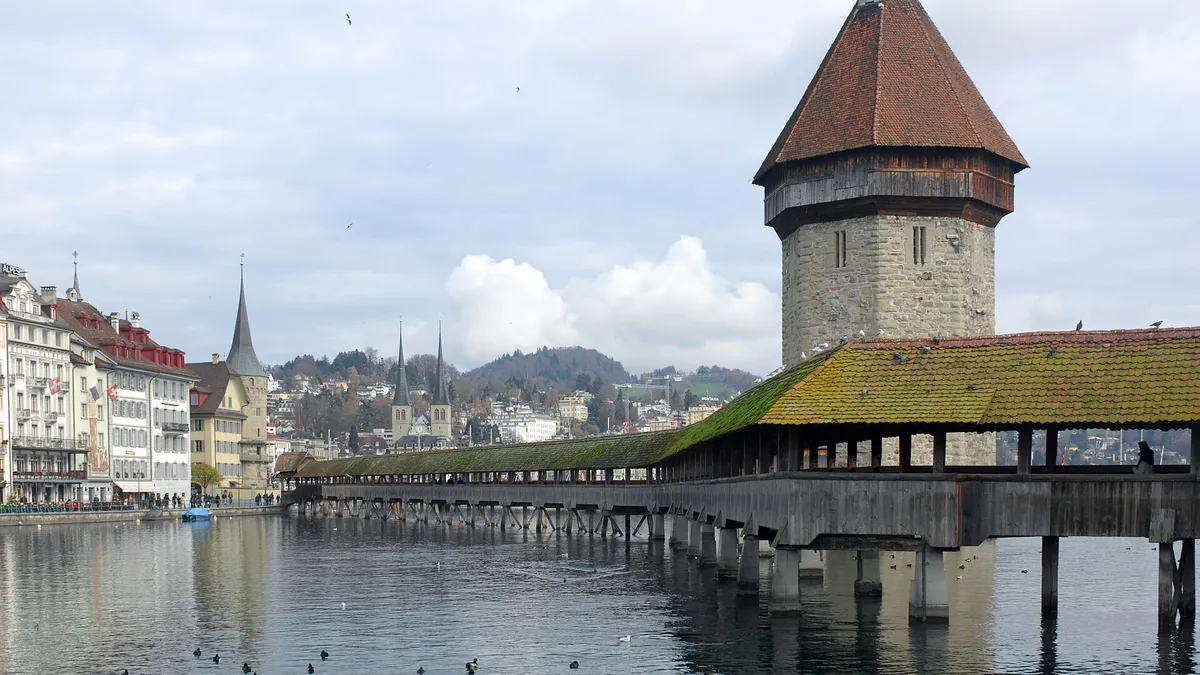
- Lucerne: the Chapel Bridge, Lake Lucerne, Pilatus and Rigi.
- And also: Bern, Lausanne and Montreux on Lake Geneva, Zermatt and the Matterhorn, the Bernese Oberland (Interlaken), Ticino.
Suggested itineraries
5 days: Geneva (2 days), then Lucerne (2 days) with a trip up Pilatus, and a day in Zurich, by train.
8 days: add Bern and the Interlaken area, or Lake Geneva from Lausanne to Montreux.
Where to stay in Switzerland
Stay near a station or tram stop to make the most of the trains: our Geneva, Zurich and Lucerne pages present the best areas for your travel style.
Frequently asked questions
Do I need a passport for Switzerland?
EU citizens can travel with a valid ID card or passport. Switzerland is part of the Schengen area: other travellers need a passport and, depending on nationality, a visa. The European Entry/Exit System (EES) has registered non-EU travellers since April 2026, and the ETIAS authorisation is announced for late 2026.
Does my EU mobile plan work in Switzerland?
Not necessarily: Switzerland is not part of the European Union, and EU roaming rules do not apply there. Some plans include it anyway: check with your operator, or install a travel eSIM before you go.
Do I need a vignette to drive on Swiss motorways?
Yes: an annual vignette is required to drive on Swiss motorways and expressways. It is available as an electronic version (e-vignette), bought online before you arrive, or as a sticker at the border.
How do I get from Geneva Airport to the centre?
Trains link the airport to Cornavin station in 6 to 7 minutes. In the baggage claim area, a machine issues a free ticket valid for 80 minutes on Geneva's public transport.
Related articles
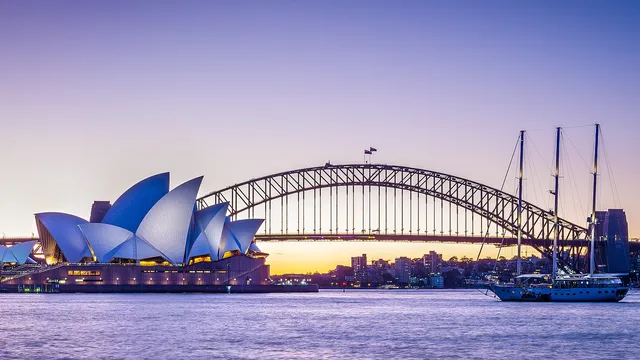
Travel in Australia: the complete practical guide
Plan a trip to Australia: when to go, the eVisitor, airports, driving on the left, distances, what to see from Sydney to Melbourne and itineraries.
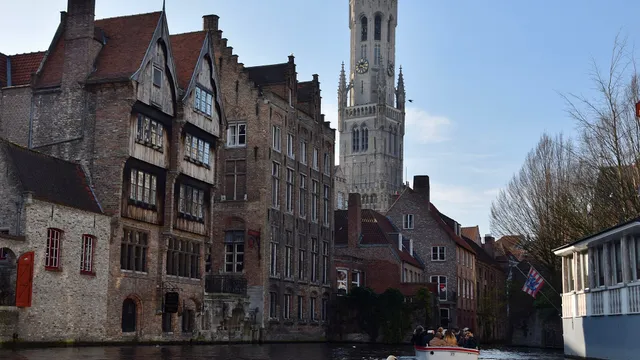
Travel in Belgium: the complete practical guide
Plan a trip to Belgium: when to go, entry rules, airports, trains, low emission zones, what to see from Brussels to Bruges and itineraries.
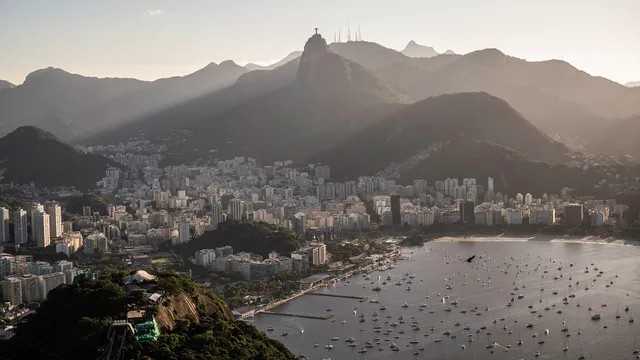
Travel in Brazil: the complete practical guide
Plan a trip to Brazil: when to go, entry rules, airports, transport, money, what to see from Rio de Janeiro to São Paulo and itineraries.