Travel in Senegal: the complete practical guide
Ideal for: CouplesFamiliesSoloOn a budget
Contents
In short: Senegal means Dakar and Gorée Island, Saint-Louis and its colonial houses, the beaches of the Petite-Côte and the Sine-Saloum delta. A warm, French-speaking country, it is best visited in the dry season. Remember your passport and your vaccinations.
- FlightsCompare
- HotelsBooking.com (partner link, opens in a new tab)
- eSIMCompare
- AirportKiwitaxi (partner link, opens in a new tab)
- LuggageRadical Storage (partner link, opens in a new tab)
- Flight delayAirHelp (partner link, opens in a new tab)
When to go to Senegal
- November to May (dry season): the best time, cooler from December to February.
- July to October (rainy season): hot and humid, with sometimes heavy rain.
- November to April: the best season for birdwatching in the northern parks.
Entry requirements
- Visas depend on nationality: French citizens, for example, need no visa for stays under 90 days and a passport valid for more than six months.
- Health: the yellow fever vaccine is strongly recommended (the certificate may be requested). See a doctor before you go, especially about malaria prevention.
Check the rules that apply to you on official websites before you go.
Arriving in Senegal
- Blaise Diagne Airport (AIBD): about 50 km from central Dakar. The TER train has linked it to the centre since 28 September 2026 (about 55 minutes announced). By taxi, allow about 1 hour to 1 hour 15 minutes.
Getting around Senegal
- The TER links Dakar with Diamniadio and the airport.
- A car with a driver is the most comfortable way to travel between regions.
- “Sept-places” (shared taxis) link towns cheaply.
- A ferry links Dakar with Ziguinchor, in Casamance.
Money, internet and practicalities
- Currency: the CFA franc (XOF), pegged to the euro. Cash is widely used; there are ATMs in the towns.
- Languages: French is the official language; Wolof is widely spoken.
- Internet: Senegal is not in the EU: check your plan or install a travel eSIM.
What to see in Senegal
- Dakar: Gorée Island, the African Renaissance Monument, the Corniche and the Almadies.
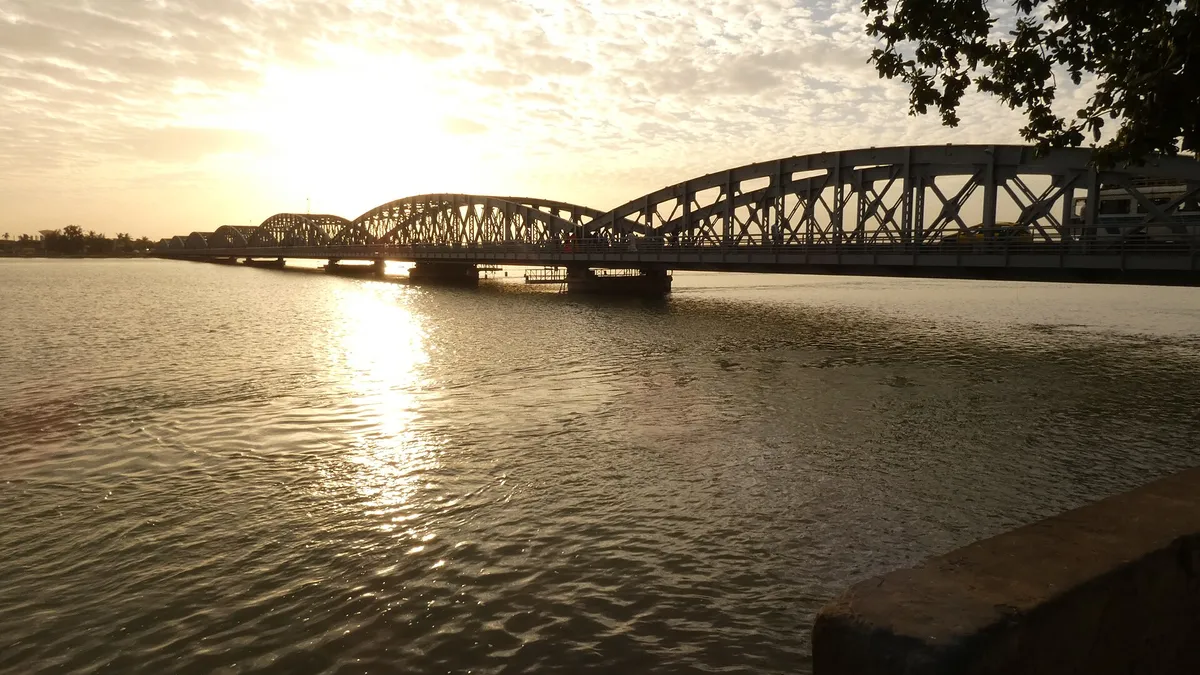
- Saint-Louis: the UNESCO-listed island, the Faidherbe Bridge and the Djoudj bird sanctuary.
- Lake Retba (the Pink Lake), near Dakar.
- The Petite-Côte (Saly, the Somone lagoon) and the Sine-Saloum delta, a UNESCO World Heritage site.
- Casamance, further south, green and unspoilt.
Suggested itineraries
7 days: Dakar (2 days, with Gorée), Lake Retba (1 day), Saint-Louis (2 days), then the Petite-Côte or the Sine-Saloum (2 days).
10 to 14 days: spend longer in the Sine-Saloum, and add Casamance.
Where to stay in Senegal
Our Dakar and Saint-Louis pages present the best areas for your travel style. In the Sine-Saloum, camps and eco-lodges by the mangrove channels are a lovely experience.
Frequently asked questions
Do I need a visa for Senegal?
It depends on your nationality: French citizens, for example, do not need a visa for stays under 90 days and need a passport valid for more than six months. Check the rules that apply to you before you go.
Is the yellow fever vaccine mandatory?
It is only required for travellers coming from an area where yellow fever is present, but it is strongly recommended, as the virus circulates in Senegal, and the certificate may be requested on arrival. See a doctor or travel clinic before you go, especially about malaria prevention.
How do I get from Dakar airport to the centre?
Blaise Diagne International Airport (AIBD) is about 50 km from the centre. Since 28 September 2026, the TER train links the airport to central Dakar (about 55 minutes announced); by taxi, allow about 1 hour to 1 hour 15 minutes depending on traffic.
When is the best time to visit Senegal?
The dry season, from November to May, is the most pleasant. The rainy season, from July to October, is hotter and more humid.
Related articles
Travel in Australia: the complete practical guide
Plan a trip to Australia: when to go, the eVisitor, airports, driving on the left, distances, what to see from Sydney to Melbourne and itineraries.
Travel in Belgium: the complete practical guide
Plan a trip to Belgium: when to go, entry rules, airports, trains, low emission zones, what to see from Brussels to Bruges and itineraries.
Travel in Brazil: the complete practical guide
Plan a trip to Brazil: when to go, entry rules, airports, transport, money, what to see from Rio de Janeiro to São Paulo and itineraries.