Travel in Mexico: the complete practical guide
Contents
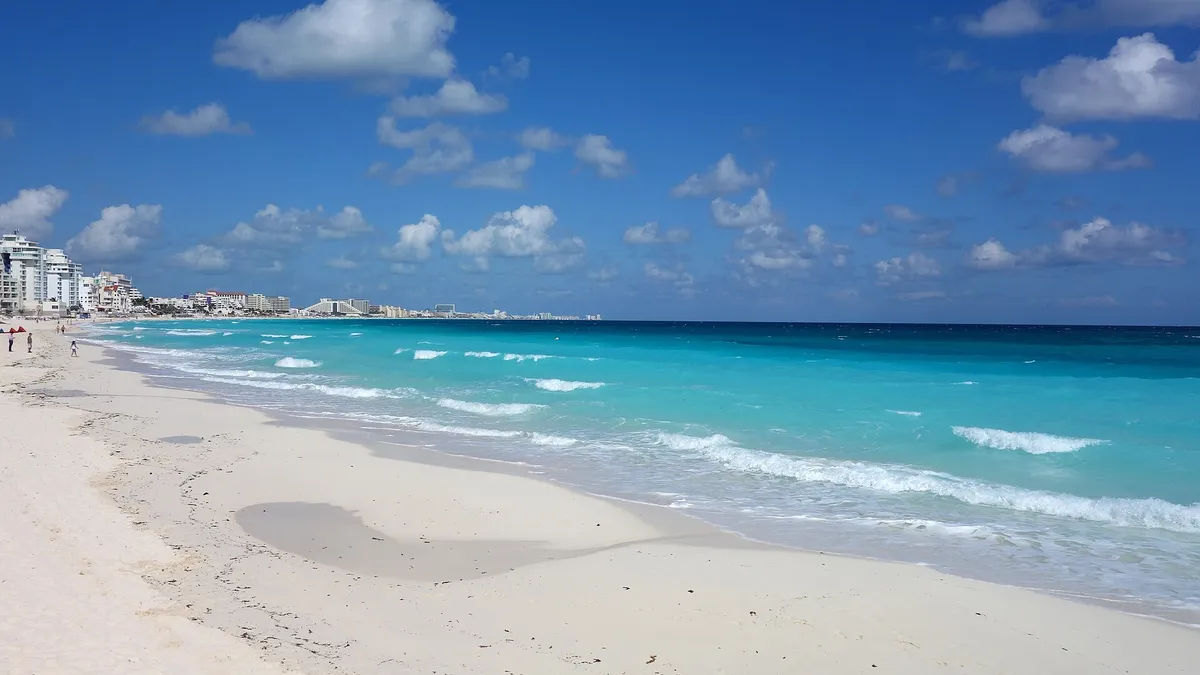
In short: Mexico City for culture, museums and food; Cancún and the Riviera Maya for beaches, cenotes and Mayan sites. Many nationalities need no visa, but the length of stay is set on arrival.
- FlightsCompare
- HotelsBooking.com (partner link, opens in a new tab)
- eSIMCompare
- AirportKiwitaxi (partner link, opens in a new tab)
- LuggageRadical Storage (partner link, opens in a new tab)
- Flight delayAirHelp (partner link, opens in a new tab)
When to go to Mexico
- November to April: the dry season, the most pleasant almost everywhere.
- June to October: the rainy season, with a hurricane risk on the Caribbean coast, especially from August to October.
- Early November: the Day of the Dead, one of the country’s finest celebrations.
Entry requirements
- Visas: many nationalities, including EU and UK citizens, need no visa for a tourist stay. The length granted (up to 180 days) is set by the immigration officer on arrival.
- Documents: a valid passport; a return ticket and proof of funds may be requested.
Check the rules that apply to you on official websites before you go.
Arriving in Mexico
- Mexico City: Metrobús line 4 reaches the historic centre in about 35 to 45 minutes; authorised taxis and ride-hailing are available.
- Cancún: ADO buses reach downtown in 25 to 30 minutes; for the Hotel Zone and the Riviera Maya, a pre-booked transfer is often simplest.
Getting around Mexico
- Flights quickly link Mexico City, Cancún, Oaxaca or Mérida.
- Long-distance buses (ADO and other companies) are comfortable and well organised.
- A car is handy in the Yucatán and on the Riviera Maya.
- In Mexico City, the metro, Metrobús and ride-hailing.
Money, internet and practicalities
- Currency: the Mexican peso. Cards are accepted in hotels and restaurants; keep cash for markets and small shops.
- Tipping: customary in restaurants.
- Altitude: Mexico City is at about 2,240 metres; take time to acclimatise.
- Internet: a travel eSIM avoids roaming charges.
What to see in Mexico
- Mexico City: the historic centre, the Anthropology Museum, Coyoacán and Teotihuacan.
- Cancún: the beaches, Isla Mujeres, Playa del Carmen and Tulum.
- The Yucatán: Chichén Itzá, Mérida, Valladolid and the cenotes.
- And also: Oaxaca, San Cristóbal de las Casas, Guanajuato and the ruins of Palenque.
Suggested itineraries
7 days: Mexico City (3 days, with Teotihuacan), then Cancún and the Riviera Maya (4 days) by plane.
14 days: add the Yucatán (Chichén Itzá, Mérida, Valladolid) by car, or Oaxaca.
Where to stay in Mexico
Our Mexico City and Cancún pages present the best areas for your travel style.
Frequently asked questions
Do I need a visa for Mexico?
Many nationalities, including EU and UK citizens, do not need a visa for a tourist stay. The length of stay granted (up to 180 days) is set by the immigration officer on arrival; you need a valid passport, and a return ticket or proof of funds may be requested. Check the rules that apply to you.
When is the best time to visit Mexico?
From November to April, the dry season is the most pleasant in most regions. From June to October it is the rainy season, with a risk of hurricanes on the Caribbean coast, especially from August to October.
How do I get from Mexico City airport to the historic centre?
Metrobús line 4 links the airport to the historic centre in about 35 to 45 minutes. Authorised taxis and ride-hailing apps are also available.
What is sargassum?
It is seaweed that, in some years, washes up on Caribbean beaches, especially in spring and summer. Its presence varies greatly from beach to beach and week to week.
Related articles
Travel in Australia: the complete practical guide
Plan a trip to Australia: when to go, the eVisitor, airports, driving on the left, distances, what to see from Sydney to Melbourne and itineraries.

Travel in Belgium: the complete practical guide
Plan a trip to Belgium: when to go, entry rules, airports, trains, low emission zones, what to see from Brussels to Bruges and itineraries.

Travel in Brazil: the complete practical guide
Plan a trip to Brazil: when to go, entry rules, airports, transport, money, what to see from Rio de Janeiro to São Paulo and itineraries.