Travel in Mauritius: the complete practical guide
Contents
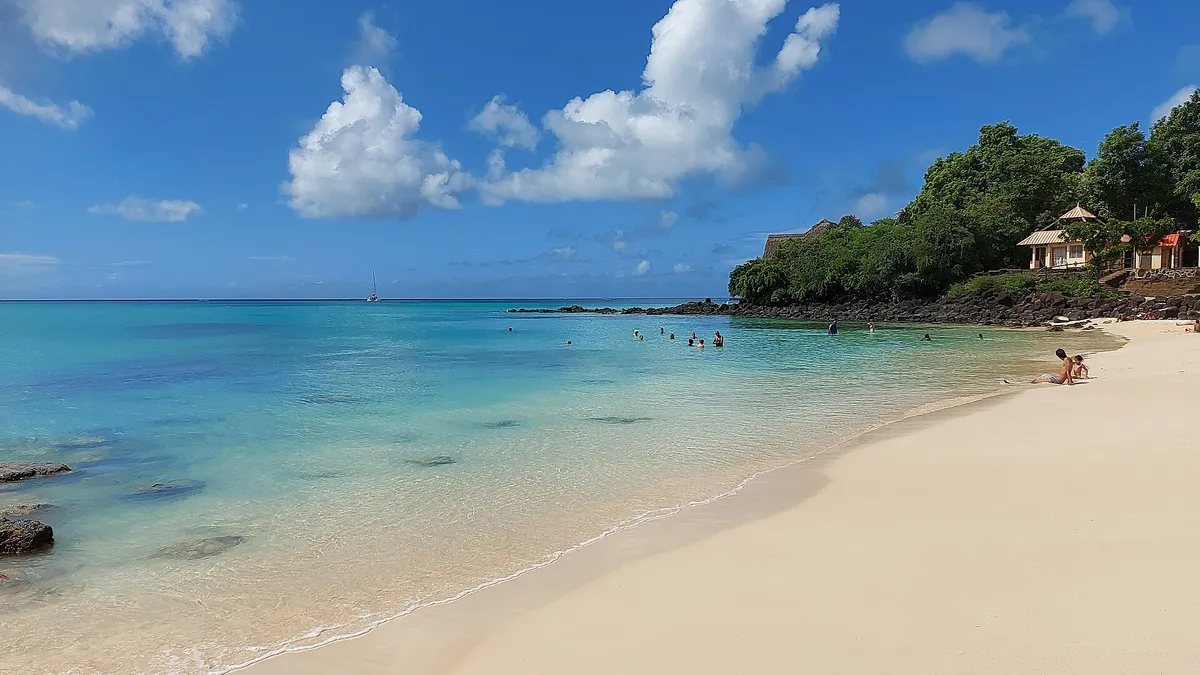
In short: Mauritius means turquoise lagoons, beaches, hiking and a mixed culture. Remember the online travel form, required within 72 hours before arrival. On the island, you drive on the left.
- FlightsCompare
- HotelsBooking.com (partner link, opens in a new tab)
- eSIMCompare
- AirportKiwitaxi (partner link, opens in a new tab)
- LuggageRadical Storage (partner link, opens in a new tab)
- Flight delayAirHelp (partner link, opens in a new tab)
When to go to Mauritius
- May to November (southern winter): cooler and drier, ideal for hiking.
- December to April (southern summer): hot and humid, with a cyclone risk, especially from January to March.
- All year round: the sea stays warm; the east coast is windier in winter.
Entry requirements
- Visas depend on nationality: French citizens, for example, need no visa in advance for stays under three months; a visa is stamped on arrival. You need a passport valid for the whole stay, a return ticket, an accommodation booking and sufficient funds.
- The “All-in-One” form: to be completed by every traveller on the official Safe Mauritius portal within 72 hours before arrival (free, QR code to show).
Check the rules that apply to you on official websites before you go.
Arriving in Mauritius
Sir Seewoosagur Ramgoolam International Airport is in the south-east of the island. Allow about 1 hour to Port Louis and 1 hour 15 to 1 hour 30 minutes to Grand Baie, depending on traffic.
Getting around Mauritius
- A rental car gives the most freedom; you drive on the left.
- Taxis and drivers by the day are widely used for excursions.
- Buses link towns and villages, and the Metro Express (light rail) links Port Louis with the centre of the island.
Money, internet and practicalities
- Currency: the Mauritian rupee. Cards are accepted in hotels and large shops; keep some cash for markets.
- Languages: Mauritian Creole, French and English are widely spoken.
- Internet: Mauritius is not in the EU: check your plan or install a travel eSIM.
What to see in Mauritius
- Grand Baie: beaches, the lagoon and catamaran trips in the north.
- Port Louis: the central market, the Caudan Waterfront and Aapravasi Ghat.
- Le Morne Brabant, a UNESCO World Heritage site, and its beaches in the south-west.
- Chamarel and its Seven Coloured Earths, and Black River Gorges National Park.
- Île aux Cerfs, Blue Bay and the Pamplemousses garden.
Suggested itineraries
7 days: the north around Grand Baie (3 days, with Port Louis and Pamplemousses), then the west and south (3 days: Le Morne, Chamarel, Black River Gorges), and a day on Île aux Cerfs.
10 to 14 days: change hotels to enjoy two coasts, and add hiking and diving.
Where to stay in Mauritius
The north (Grand Baie, Pereybère, Trou aux Biches) is the liveliest; the west is the sunniest; the east and south are quieter. Our Grand Baie page presents the best spots for your travel style.
Frequently asked questions
Do I need a visa for Mauritius?
It depends on your nationality. French citizens, for example, need no visa in advance for stays under three months: a visa is stamped on arrival. You need a passport valid for the whole stay, a return ticket, an accommodation booking and sufficient funds. Check the rules that apply to you.
Is there a form to fill in before I travel?
Yes: every traveller, even if visa-exempt, must complete the 'All-in-One' digital travel form on the official Safe Mauritius portal within 72 hours before arrival. It is free and gives you a QR code to show.
How long does it take from the airport to Grand Baie?
The airport is in the south-east of the island: allow about 1 hour 15 to 1 hour 30 minutes by road to Grand Baie, depending on traffic.
When is the best time to visit Mauritius?
From May to November, the southern winter is cooler and drier. From December to April it is hot and humid, with a risk of cyclones, especially from January to March.
Related articles
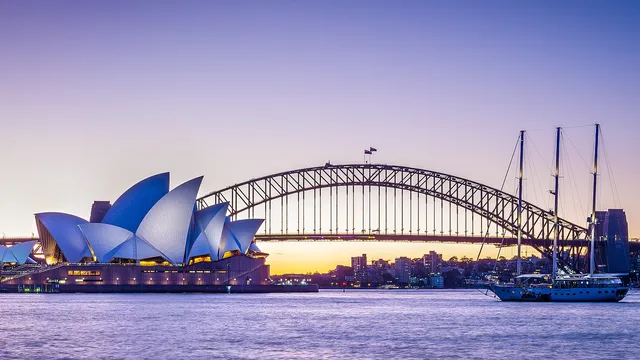
Travel in Australia: the complete practical guide
Plan a trip to Australia: when to go, the eVisitor, airports, driving on the left, distances, what to see from Sydney to Melbourne and itineraries.
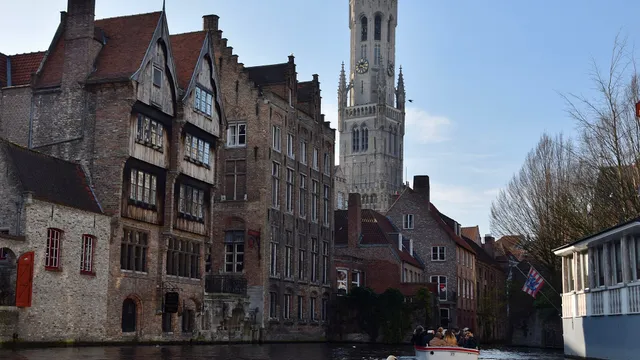
Travel in Belgium: the complete practical guide
Plan a trip to Belgium: when to go, entry rules, airports, trains, low emission zones, what to see from Brussels to Bruges and itineraries.
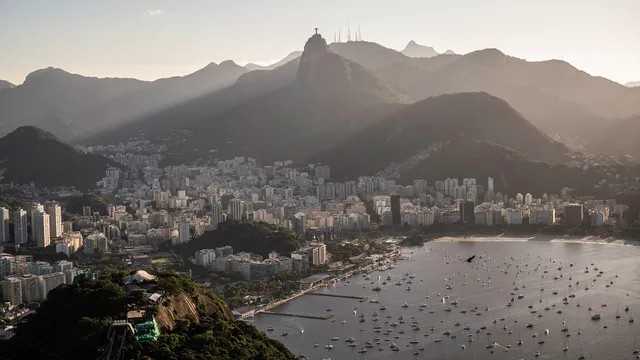
Travel in Brazil: the complete practical guide
Plan a trip to Brazil: when to go, entry rules, airports, transport, money, what to see from Rio de Janeiro to São Paulo and itineraries.