Travel in Martinique: the complete practical guide
Ideal for: FamiliesCouplesRoad tripSeniors
Choose “Save as PDF” to keep it offline.
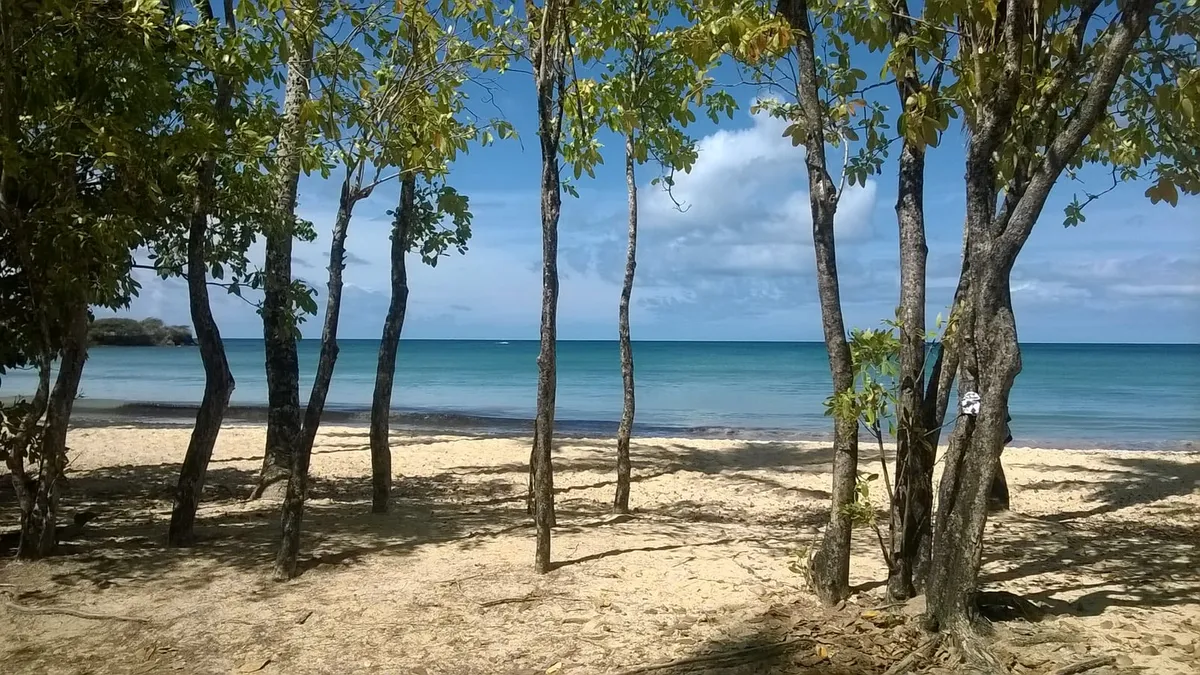
Contents
In short: Martinique means white-sand beaches in the south, rainforest and Mount Pelée in the north, rhum agricole and Creole cuisine. The currency is the euro and French citizens only need an ID card, but the island is outside the Schengen area. A car is almost essential.
When to go to Martinique
- December to May: the dry season (carême), the best and busiest time.
- June to November: the rainy season (hivernage), hotter and more humid; it is also hurricane season.
- Carnival, before Lent, livens up the island, usually in February or March.
Entry requirements
- French citizens: a valid ID card or passport is enough. A passport is still advisable in case of an unplanned stopover abroad.
- Other nationalities: Martinique is in the European Union but outside the Schengen area; check the entry rules for your nationality.
Arriving in Martinique
Martinique Aimé-Césaire Airport is in Le Lamentin, about 9 km from Fort-de-France. Taxis and car hire desks are waiting at arrivals; book your car ahead in high season.
Getting around Martinique
- A car is the most practical way to get between beaches and head north.
- Ferries link Fort-de-France with Les Trois-Îlets, across the bay.
- Buses exist but are not well suited to a holiday.
Money, internet and practicalities
- Currency: the euro. Cards are accepted almost everywhere; bring a little cash for markets and small beach restaurants.
- Mobile: Martinique is part of the EU; check with your provider what your plan includes there.
- Languages: French and Martinican Creole.
- Electricity: type C and E plugs, 220 V. Time: UTC−4, no daylight saving.
What to see in Martinique
- Fort-de-France: the Schœlcher Library, St Louis Cathedral, the covered market and Fort Saint-Louis.
- Sainte-Anne and the south: Grande Anse des Salines, Pointe Marin and the Savane des Pétrifications.
- Les Trois-Îlets, Les Anses-d’Arlet and Le Diamant: beaches, fishing villages and the famous Diamond Rock.
- The north: Mount Pelée and the northern peaks, a UNESCO World Heritage Site since 2023, the Route de la Trace, the Balata Garden and Saint-Pierre, destroyed by the 1902 eruption.
- The Caravelle peninsula, its trails and the Château Dubuc ruins.
- Rhum agricole distilleries, many of which are open to visitors.
Suggested itineraries
1 week: the south (Sainte-Anne, Les Salines, Le Diamant, Les Anses-d’Arlet) with a day on the Route de la Trace and in Saint-Pierre.
2 weeks: a week in the south, then a week in the north or on the Atlantic coast (the Caravelle, Mount Pelée, the distilleries).
What to eat in Martinique
- Accras (salt-cod fritters) and Creole black pudding;
- colombo, a spice blend from India, with chicken or pork;
- blaff, fish poached with aromatics;
- fruit: pineapples, mangoes, passion fruit;
- ti-punch made with rhum agricole, to be enjoyed in moderation.
Culture and etiquette
- Say “bonjour” when you walk into a shop: it matters.
- On the beach, respect the marked swimming areas.
- Creole is part of everyday life; a few words always go down well.
Health and safety
Protect yourself from the sun and mosquitoes (repellent, covered clothing in the evening). During hurricane season, follow Météo-France bulletins. On beaches affected by sargassum, swimming is advised against: follow local advice.
Frequently asked questions
Do I need a passport to travel to Martinique?
French citizens only need a valid national ID card. Martinique is part of the European Union but outside the Schengen area, so other nationalities should check their entry rules. A passport is still advisable in case of a stopover abroad.
When is the best time to visit Martinique?
The dry season, known locally as carême, runs from December to May and is the best time. From June to November, the rainy season (hivernage) is also hurricane season.
Do I need a car in Martinique?
Yes, it is almost essential to explore the island, from the southern beaches to the northern rainforest. Book ahead in high season, as cars go quickly.
What is sargassum?
Brown seaweed that washes up on some beaches in certain years, mainly on the Atlantic coast. As it rots, it gives off gases, so swimming is advised against at affected sites. Follow local advice.
Related articles

Travel in Austria: the complete practical guide
Plan a trip to Austria: when to go, Vienna and Salzburg, trains and the motorway vignette, the Alps and lakes, food and 5 to 10-day itineraries.
Travel in the Czech Republic: the practical guide
Plan a trip to the Czech Republic: Prague, when to go, the airport, the Czech koruna, trains, Český Krumlov and Kutná Hora, and itineraries.
Travel in Guadeloupe: the complete practical guide
Plan a trip to Guadeloupe: entry rules, when to go, the airport, Grande-Terre and Basse-Terre, La Soufrière, nearby islands and itineraries.