Travel in Japan: the complete practical guide
Contents
In short: Japan is best discovered by linking Tokyo and Kyoto by Shinkansen. Register on Visit Japan Web before you go, get a Suica or PASMO transport card, and keep some cash: it is still handy in small shops and temples.
- FlightsCompare
- HotelsBooking.com (partner link, opens in a new tab)
- eSIMCompare
- AirportKiwitaxi (partner link, opens in a new tab)
- LuggageRadical Storage (partner link, opens in a new tab)
- Flight delayAirHelp (partner link, opens in a new tab)
When to go to Japan
- Spring (late March to April): cherry blossom season, beautiful but in high demand.
- Autumn (October and November): red maples and mild weather, one of the best times.
- Summer: hot and humid, with the rainy season in June and July, and possible typhoons in late summer.
- Winter: cold but often sunny in Tokyo and Kyoto; skiing in Hokkaido and the Japanese Alps.
Entry requirements
Many nationalities, including French citizens, can stay up to 90 days visa-free for tourism, with a valid passport. Before departure, registering on Visit Japan Web generates a QR code that speeds up immigration and customs. Check the rules for your nationality.
Arriving in Tokyo
- Narita: the Narita Express reaches Tokyo Station in about 53 minutes; the Keisei Skyliner serves Ueno.
- Haneda, closer in: the centre is 20 to 30 minutes away by monorail or Keikyu train.
Getting around Japan
- The Shinkansen links Tokyo and Kyoto in about 2h10 (Nozomi), and serves Osaka, Hiroshima and the north.
- In town, rechargeable Suica and PASMO cards (also on phones) work on trains, metros and buses, and in many shops.
- For many Shinkansen trips, compare the Japan Rail Pass with single tickets: it is not always worth it.
Money, internet and practicalities
- Currency: the yen. Cards are increasingly accepted, but cash is still useful; convenience-store ATMs usually accept foreign cards.
- Internet: install a travel eSIM before you leave.
- Customs: no tipping; you take your shoes off in many temples, ryokans and homes.
What to see in Japan
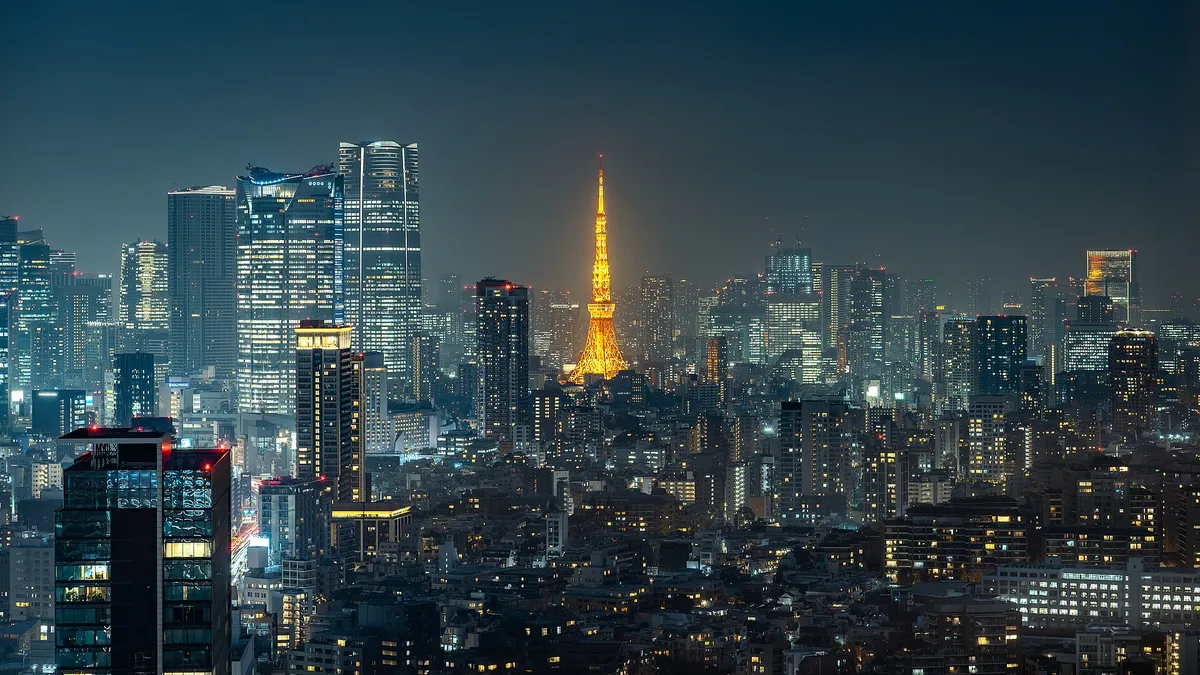
- Tokyo: Shibuya, Shinjuku, Asakusa and Sensō-ji Temple, Meiji Shrine, Akihabara.
- Kyoto: Fushimi Inari, Kiyomizu-dera, the Golden Pavilion, Gion, Arashiyama.
- Nearby: Nara and its deer, Osaka, Hiroshima and Miyajima, Mount Fuji and Hakone, Nikko.
Suggested itineraries
10 days: 4 days in Tokyo (with a day in Hakone or Nikko), then the Shinkansen to Kyoto for 4 days (with Nara), and 2 days in Osaka.
14 days: add Hiroshima and Miyajima, or the Japanese Alps (Kanazawa, Takayama).
Where to stay in Japan
Stay near a well-connected station: our Tokyo and Kyoto pages present the best areas. Try at least one night in a ryokan, a traditional inn.
Frequently asked questions
Do I need a visa for Japan?
Not for tourism for many nationalities, including French citizens, who can stay up to 90 days visa-free with a valid passport. Registering on Visit Japan Web before departure speeds up immigration and customs on arrival.
How do I get from the airport to central Tokyo?
From Narita, the Narita Express reaches Tokyo Station in about 53 minutes (the Keisei Skyliner serves Ueno). Haneda, closer in, is 20 to 30 minutes from the centre by monorail or Keikyu trains.
How long is Tokyo to Kyoto?
The Nozomi Shinkansen links Tokyo and Kyoto in about 2h10.
Related articles
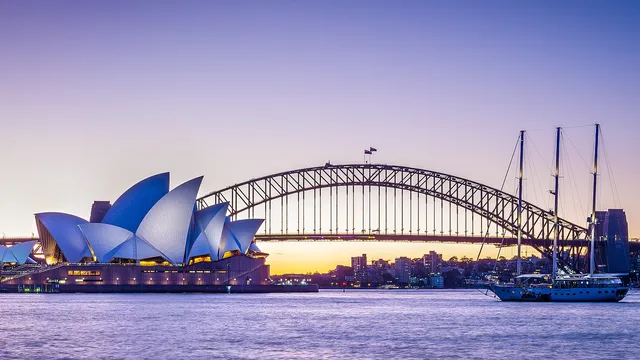
Travel in Australia: the complete practical guide
Plan a trip to Australia: when to go, the eVisitor, airports, driving on the left, distances, what to see from Sydney to Melbourne and itineraries.
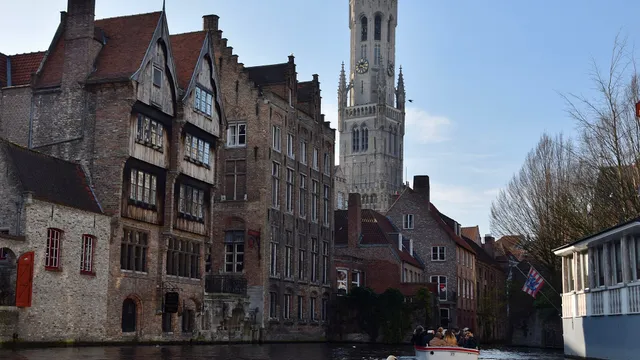
Travel in Belgium: the complete practical guide
Plan a trip to Belgium: when to go, entry rules, airports, trains, low emission zones, what to see from Brussels to Bruges and itineraries.
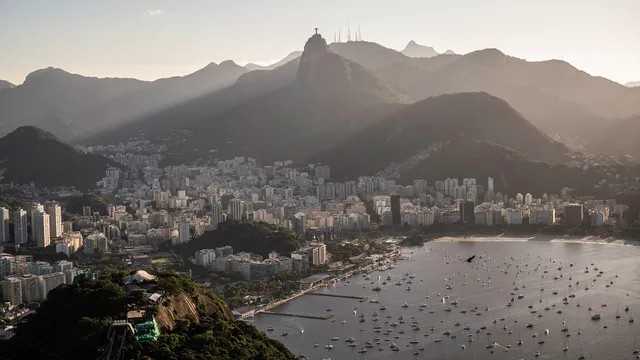
Travel in Brazil: the complete practical guide
Plan a trip to Brazil: when to go, entry rules, airports, transport, money, what to see from Rio de Janeiro to São Paulo and itineraries.