Travel in Italy: the complete practical guide
Ideal for: CouplesFamiliesSoloSeniorsOn a budget
Contents
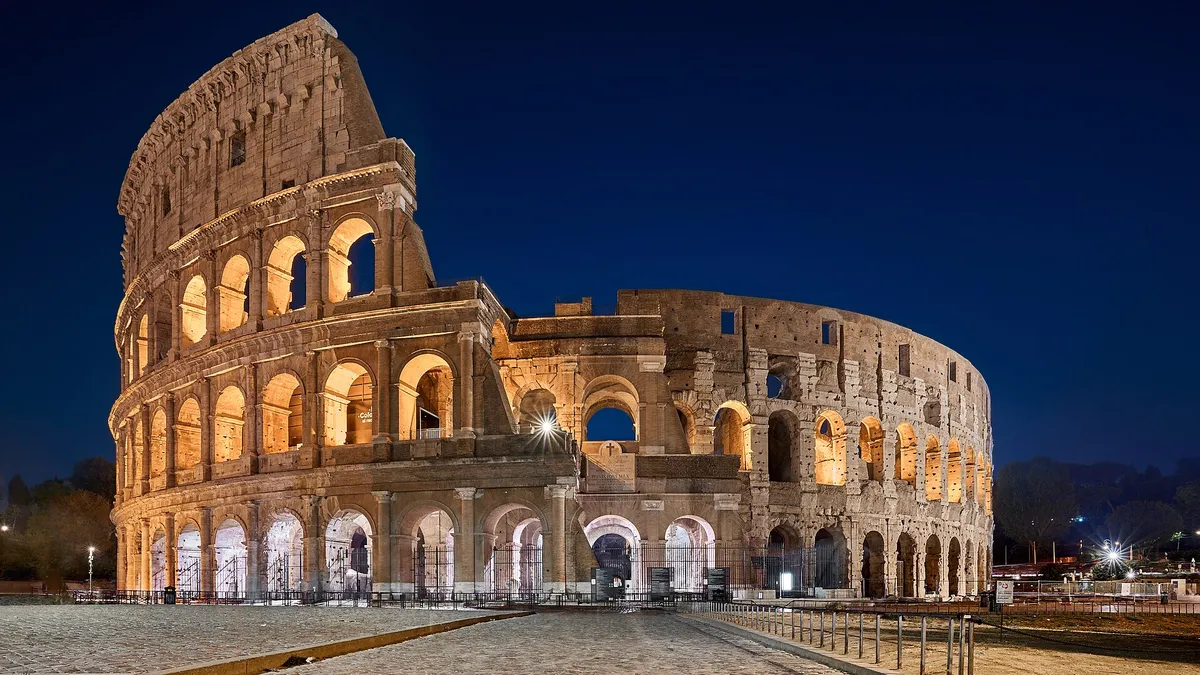
In short: for a first trip, the Rome, Florence, Venice trio is easy by high-speed train. The secret to a great stay in Italy: book the major sights ahead (Colosseum, Vatican Museums, Uffizi, Florence’s dome), stay near the centre and visit early in the morning.
- FlightsCompare
- HotelsBooking.com (partner link, opens in a new tab)
- Car hireAutoEurope (partner link, opens in a new tab)
- eSIMCompare
- ToursTiqets (partner link, opens in a new tab)
- AirportWelcome Pickups (partner link, opens in a new tab)
- LuggageRadical Storage (partner link, opens in a new tab)
- Flight delayAirHelp (partner link, opens in a new tab)
When to go to Italy
- Spring (April to June) and autumn (September and October): the best time, mild and less crowded than summer.
- Summer: hot, especially in Rome and Florence, and very busy. Visit early in the morning and late in the day.
- Winter: quieter and often cheaper, ideal for museums. In Venice, “acqua alta” (high tide) can flood some areas.
Entry requirements
Italy is part of the European Union and the Schengen area.
- EU citizens: a valid ID card or passport.
- Other travellers: a passport and, depending on nationality, a visa. The European Entry/Exit System (EES) has registered non-EU travellers at the borders since April 2026, and the ETIAS travel authorisation is announced for late 2026 for visa-exempt travellers.
Check the rules that apply to you on official websites before you go.
Arriving in Italy
- Rome Fiumicino: the direct Leonardo Express train reaches Termini station in about 32 minutes. Rome Ciampino is linked to Termini by bus.
- Venice Marco Polo: the Alilaguna boat goes straight into Venice; the faster ATVO bus reaches Piazzale Roma, at the city’s entrance. Water taxis are also available.
- Florence: the airport is close to the centre and linked by tram; many travellers also arrive by train from Rome, Milan or Venice.
Getting around Italy
- High-speed trains (Trenitalia’s Frecciarossa, and Italo) link Rome, Florence, Venice, Milan and Naples centre to centre. Book early for more choice.
- Regional trains serve smaller towns; paper tickets often need to be validated before boarding.
- A car is ideal for Tuscany or the Dolomites, but useless in big cities: their centres have limited traffic zones (ZTL), closed to unauthorised cars, with automatic fines.
Booking the major sights
The most important tip for Italy:
- Colosseum: entry by timed booking, opening 30 days ahead; the ticket includes the Roman Forum and the Palatine.
- Vatican Museums and Sistine Chapel: book your slot well in advance in high season.
- Florence: the Uffizi Gallery, the Accademia Gallery (Michelangelo’s David) and the climb up the Duomo’s dome (463 steps) require a timed booking.
- Rome: the Pantheon has a paid entry, and getting close to the Trevi Fountain has been paid too since 2026.
- Venice: on some days, day visitors must pay an access fee (see Venice).
Money, internet and practicalities
- Currency: the euro. Cards are widely accepted.
- Tourist tax: most cities charge a tax per person per night, often paid on site.
- Internet: Italy is in the European Union: EU mobile plans usually work there at no extra cost. Outside the EU, a travel eSIM is the simplest option.
- Churches: clothing covering shoulders and knees is required in many churches, including St Peter’s in Rome.
What to see in Italy
- Rome: the Colosseum, the Forum, the Pantheon, the Trevi Fountain, the Vatican, Trastevere.
- Florence: the Renaissance, the Uffizi, the David, the Duomo and the Ponte Vecchio.
- Venice: the Grand Canal, St Mark’s Square, the Rialto Bridge, Murano and Burano.
- Tuscany: Siena, San Gimignano, the Val d’Orcia, as day trips from Florence.
- And also: Milan and the lakes, Naples and Pompeii, the Amalfi Coast, the Cinque Terre, the Dolomites, Sicily.
Suggested itineraries
7 days: 3 days in Rome, 2 days in Florence (with half a day in Tuscany), 2 days in Venice, by train between each city.
10 days: add Siena and the Val d’Orcia, or Naples and Pompeii from Rome.
Where to stay in Italy
Stay near the historic centre or a well-connected station to limit travel: our Rome, Florence and Venice pages present the best areas for your travel style.
Frequently asked questions
Do I need a passport for Italy?
EU citizens can travel with a valid ID card or passport. Other travellers need a passport and, depending on nationality, a visa; the European Entry/Exit System (EES) has registered non-EU travellers since April 2026, and the ETIAS authorisation is announced for late 2026.
How do I get from Rome airport to the centre?
From Fiumicino, the direct Leonardo Express train reaches Termini station in about 32 minutes; regional trains, buses and taxis are also available. From Ciampino, the second airport, buses run to Termini station.
Do I need to book the Colosseum in advance?
Yes: entry requires a timed booking, which opens 30 days before the visit on the official website. The ticket also covers the Roman Forum and the Palatine. The Vatican Museums, the Uffizi and the Accademia in Florence should also be booked ahead.
How do I travel between Rome, Florence and Venice?
High-speed trains are the most convenient: Frecciarossa (Trenitalia) and Italo trains link the three cities centre to centre. Book early for more choice of times.
What is the tourist tax in Italy?
Most Italian cities charge a tourist tax per person per night, often paid on site at the accommodation. The amount depends on the city and the type of accommodation.
Related articles
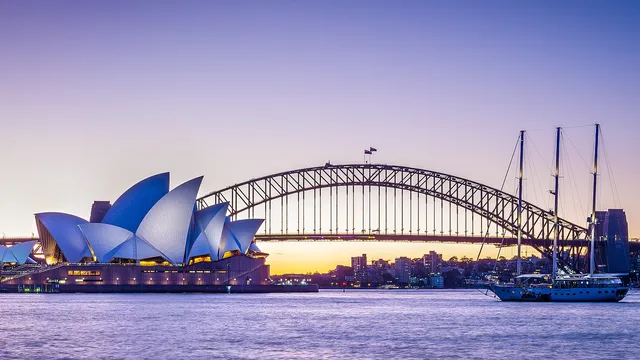
Travel in Australia: the complete practical guide
Plan a trip to Australia: when to go, the eVisitor, airports, driving on the left, distances, what to see from Sydney to Melbourne and itineraries.
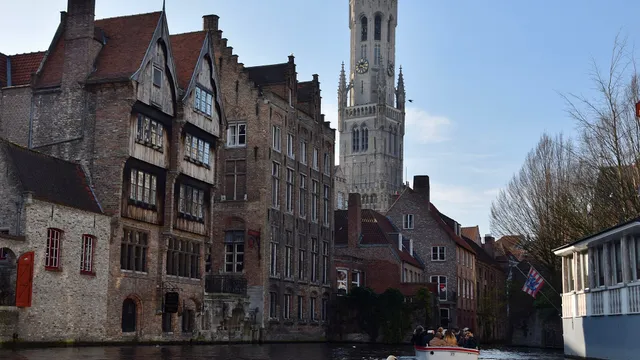
Travel in Belgium: the complete practical guide
Plan a trip to Belgium: when to go, entry rules, airports, trains, low emission zones, what to see from Brussels to Bruges and itineraries.
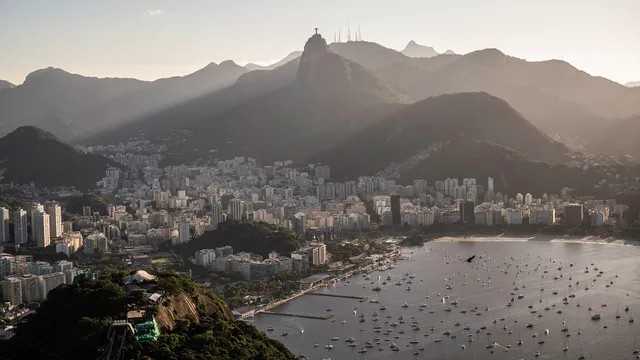
Travel in Brazil: the complete practical guide
Plan a trip to Brazil: when to go, entry rules, airports, transport, money, what to see from Rio de Janeiro to São Paulo and itineraries.