Travel in India: the complete practical guide
Ideal for: CouplesSoloFamiliesOn a budget
Contents
In short: for a first trip, the Golden Triangle of Delhi, Agra and Jaipur is the ideal route. You need a visa (online e-Visa) and an electronic arrival card. Ideally, go between October and March.
- FlightsCompare
- HotelsBooking.com (partner link, opens in a new tab)
- eSIMCompare
- AirportKiwitaxi (partner link, opens in a new tab)
- LuggageRadical Storage (partner link, opens in a new tab)
- Flight delayAirHelp (partner link, opens in a new tab)
When to go to India
- October to March: the best time for the north (Delhi, Agra, Rajasthan), with cool nights in winter.
- April to June: very hot on the plains.
- June to September: the monsoon, with heavy rain depending on the region.
Entry requirements
- Visa: required. Many nationalities can apply for an e-Visa on the Indian government’s official website, at least 4 days before arrival.
- Electronic arrival card: to be completed online within 72 hours before arrival; show the QR code at immigration.
- Health: see a doctor before you leave about recommended vaccinations and precautions.
Check your situation on official websites before you go.
Arriving in India
- Delhi: the Airport Express metro line links Terminal 3 with New Delhi station in about 15 to 20 minutes. Prepaid taxis and ride-hailing are also available.
- Mumbai, Bangalore and Chennai also have major international airports.
Getting around India
- Trains link the major cities; book ahead, especially for fast trains.
- A car with a driver is the simplest way to do the Golden Triangle.
- Domestic flights cover the long distances.
- In town, metro (Delhi, Jaipur), rickshaws and ride-hailing apps.
Money, internet and practicalities
- Currency: the Indian rupee. Cash is still useful; there are ATMs in the cities.
- Internet: a travel eSIM gets you online as soon as you land.
- Temples: covering clothing, and shoes removed at the entrance.
What to see in India
- Delhi: the Red Fort, Jama Masjid, Humayun’s Tomb and the Qutub Minar.
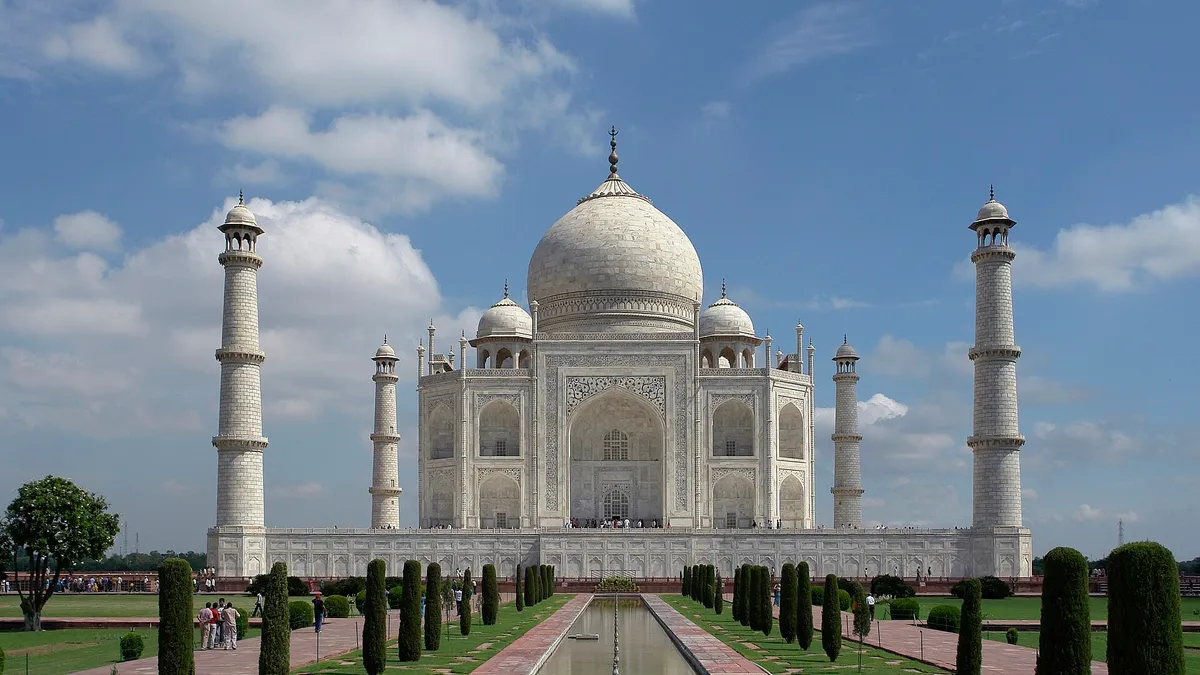
- Agra: the Taj Mahal (closed on Fridays) and Agra Fort.
- Jaipur: the Hawa Mahal, the City Palace and Amber Fort.
- And also: Varanasi and the Ganges, Udaipur, Jodhpur and Jaisalmer in Rajasthan, Mumbai, Goa and the Kerala backwaters.
Suggested itineraries
7 days (Golden Triangle): Delhi (2 days), Agra (2 days, with the Taj Mahal at sunrise), then Jaipur (3 days, with Amber Fort).
10 to 14 days: add Udaipur and Jodhpur, or Varanasi.
Where to stay in India
Our Delhi, Agra and Jaipur pages present the best areas for your travel style. In Rajasthan, staying in a haveli (traditional mansion) is a wonderful experience.
Frequently asked questions
Do I need a visa for India?
Yes. For tourism, many nationalities can apply for an e-Visa online on the Indian government's official website, at least 4 days before the arrival date. Beware of intermediary websites that charge extra fees.
What is the e-Arrival Card?
All foreign travellers must complete an electronic arrival card online within 72 hours before entering India (on the official website or the dedicated app) and show the QR code on arrival. The paper form is no longer used.
Is the Taj Mahal open every day?
No: the Taj Mahal is closed on Fridays. Tickets can be bought online on the official website or on site; arriving at sunrise helps avoid the crowds.
When is the best time to visit northern India?
From October to March, the weather is most pleasant for the Golden Triangle. From April to June it is very hot, and the monsoon arrives from June to September.
Related articles
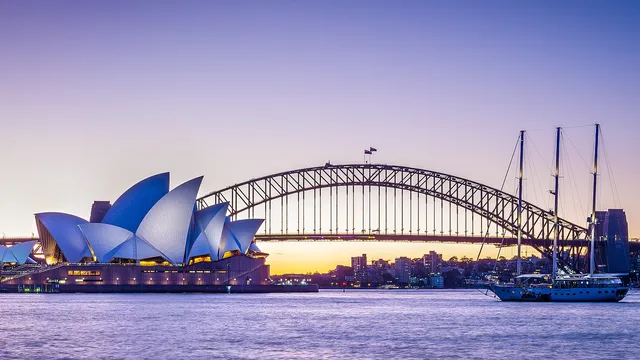
Travel in Australia: the complete practical guide
Plan a trip to Australia: when to go, the eVisitor, airports, driving on the left, distances, what to see from Sydney to Melbourne and itineraries.
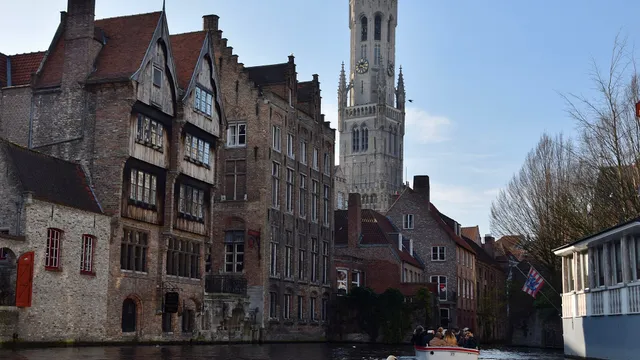
Travel in Belgium: the complete practical guide
Plan a trip to Belgium: when to go, entry rules, airports, trains, low emission zones, what to see from Brussels to Bruges and itineraries.
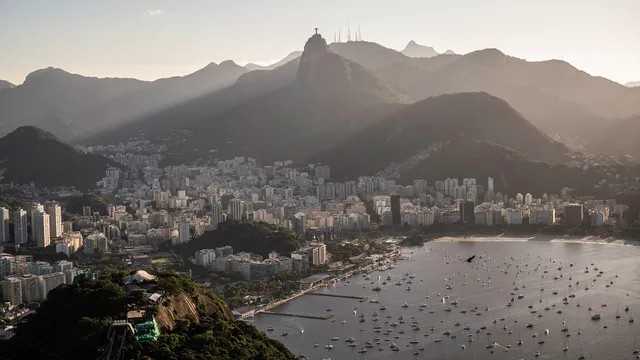
Travel in Brazil: the complete practical guide
Plan a trip to Brazil: when to go, entry rules, airports, transport, money, what to see from Rio de Janeiro to São Paulo and itineraries.