Travel in Germany: the complete practical guide
Ideal for: CouplesFamiliesSoloSeniorsOn a budget
Contents
In short: Germany is easy to explore by train. Berlin for history and culture, Munich for Bavaria, beer halls and the Alps. If you drive, remember the green sticker to enter city centres.
- FlightsCompare
- HotelsBooking.com (partner link, opens in a new tab)
- Car hireAutoEurope (partner link, opens in a new tab)
- eSIMCompare
- ToursTiqets (partner link, opens in a new tab)
- AirportWelcome Pickups (partner link, opens in a new tab)
- LuggageRadical Storage (partner link, opens in a new tab)
- Flight delayAirHelp (partner link, opens in a new tab)
When to go to Germany
- May to September: the best time, with outdoor terraces, parks and summer festivals.
- Late September and early October: Munich’s Oktoberfest (book very early).
- December: the Christmas markets, one of the highlights of the year.
- Winter: cold, but ideal for museums.
Entry requirements
Germany is part of the European Union and the Schengen area.
- EU citizens: a valid ID card or passport.
- Other travellers: a passport and, depending on nationality, a visa. The European Entry/Exit System (EES) has registered non-EU travellers at the borders since April 2026, and the ETIAS travel authorisation is announced for late 2026 for visa-exempt travellers.
Check the rules that apply to you on official websites before you go.
Arriving in Germany
- Berlin (BER): the FEX airport express reaches the main station in about twenty minutes, every 15 minutes. Ticket valid for zones A, B and C.
- Munich: S-Bahn lines S1 and S8 reach Marienplatz in about 35 to 45 minutes.
- Frankfurt, Düsseldorf and Hamburg also have major international airports.
Getting around Germany
- Trains (high-speed ICE, regional trains) link all the major cities. Book long journeys early for more choice.
- City transport (S-Bahn, U-Bahn, trams) is very comprehensive. The Deutschlandticket, a monthly subscription, covers local and regional transport nationwide (not long-distance trains).
- By car, motorways are free for cars, but the green sticker (Umweltplakette) is required in city low emission zones, including for foreign vehicles.
Money, internet and practicalities
- Currency: the euro. Cards are increasingly accepted, but some cafés and small shops still prefer cash.
- Internet: Germany is in the EU: EU mobile plans usually work there at no extra cost. Outside the EU, a travel eSIM is the simplest option.
- Sundays: most shops are closed (except in stations and airports).
What to see in Germany
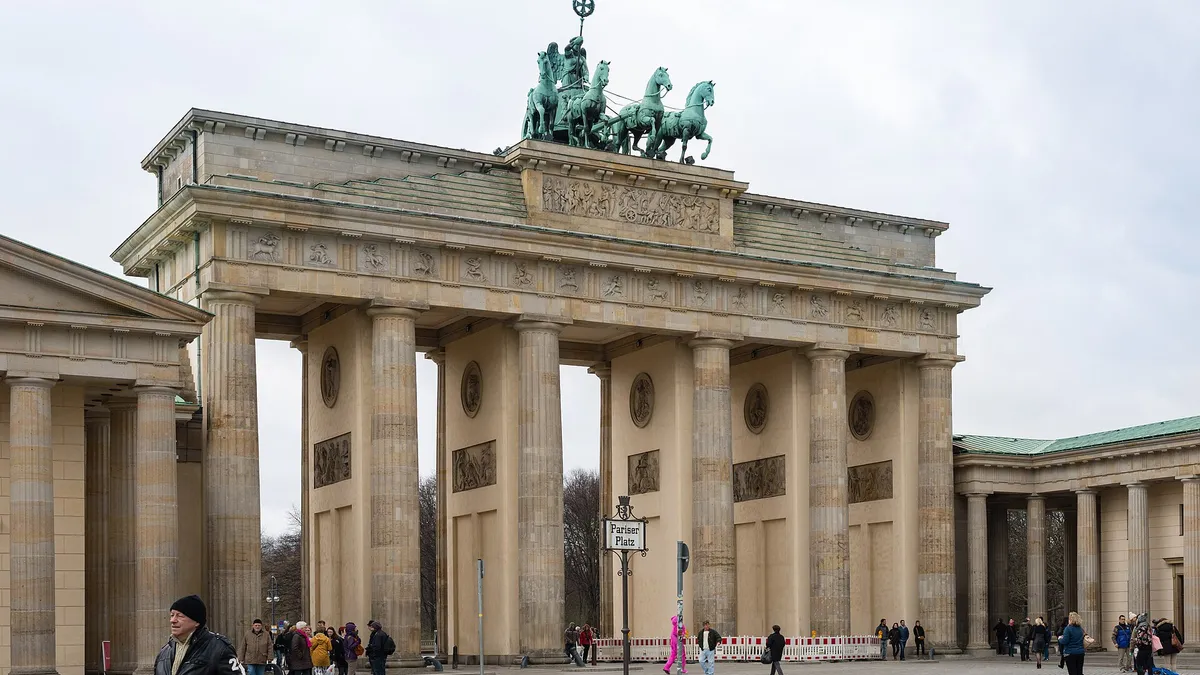
- Berlin: the Brandenburg Gate, the Reichstag, Museum Island and remains of the Wall.
- Munich: Marienplatz, the Residenz, the English Garden and the beer halls.
- And also: Neuschwanstein Castle, Cologne Cathedral, Hamburg and its port, Dresden, the Rhine Valley and the Black Forest.
Suggested itineraries
7 days: Berlin (3 days), then Munich (3 days) by train, with a day trip to Neuschwanstein.
10 to 14 days: add Dresden or Hamburg, Cologne Cathedral and the Rhine Valley.
Where to stay in Germany
Choose an area well served by the S-Bahn or the underground: our Berlin and Munich pages present the best areas for your travel style.
Frequently asked questions
Do I need a passport for Germany?
EU citizens can travel with a valid ID card or passport. Other travellers need a passport and, depending on nationality, a visa; the European Entry/Exit System (EES) has registered non-EU travellers since April 2026, and the ETIAS authorisation is announced for late 2026.
Do I need a vignette to drive in Germany?
Motorways are free for cars. However, the centre of many cities (including Berlin and Munich) is a low emission zone: you need a green sticker (Umweltplakette) on the windscreen, including for a foreign vehicle.
How do I get from Berlin Airport to the centre?
The FEX airport express links BER airport to the main station (Hauptbahnhof) in about twenty minutes, every 15 minutes. Buy a ticket valid for zones A, B and C.
How do I travel between Berlin and Munich?
High-speed ICE trains link the two cities centre to centre in about 4 hours on the fastest services. Flights and long-distance coaches are also available.
Related articles
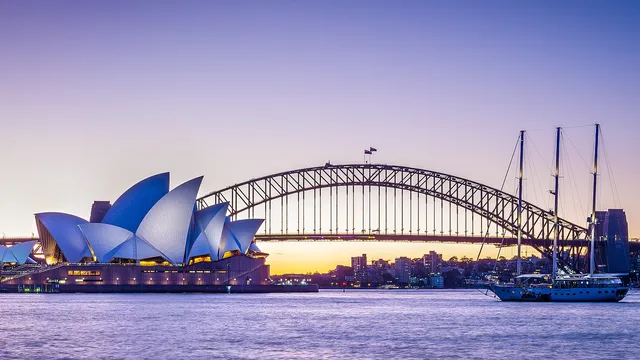
Travel in Australia: the complete practical guide
Plan a trip to Australia: when to go, the eVisitor, airports, driving on the left, distances, what to see from Sydney to Melbourne and itineraries.
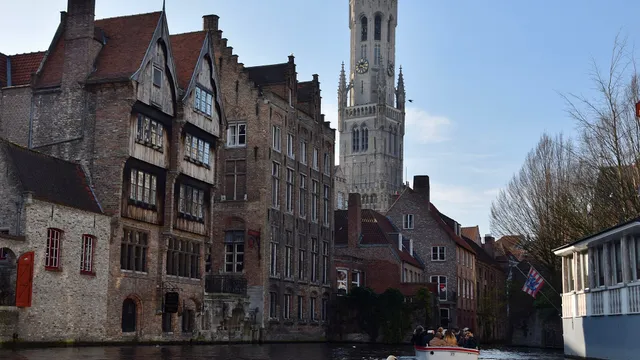
Travel in Belgium: the complete practical guide
Plan a trip to Belgium: when to go, entry rules, airports, trains, low emission zones, what to see from Brussels to Bruges and itineraries.

Travel in Brazil: the complete practical guide
Plan a trip to Brazil: when to go, entry rules, airports, transport, money, what to see from Rio de Janeiro to São Paulo and itineraries.