Travel in Croatia: the complete practical guide
Ideal for: CouplesFamiliesSoloRoad tripOn a budget
Contents
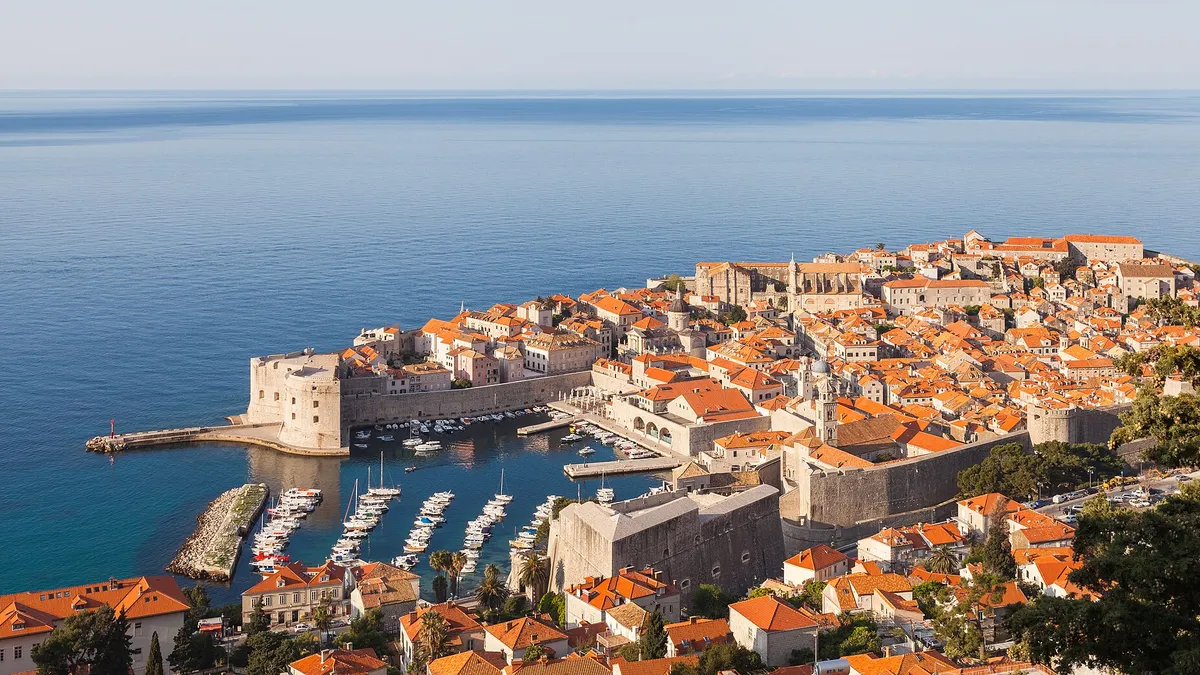
In short: Croatia means the Adriatic coast, its historic cities and its islands. Dubrovnik and Split are the two main gateways. The country uses the euro and has been part of the Schengen area since 2023. If you can, avoid the height of summer, which is very hot and very busy.
- FlightsCompare
- HotelsBooking.com (partner link, opens in a new tab)
- Car hireAutoEurope (partner link, opens in a new tab)
- eSIMCompare
- ToursTiqets (partner link, opens in a new tab)
- AirportWelcome Pickups (partner link, opens in a new tab)
- LuggageRadical Storage (partner link, opens in a new tab)
- Flight delayAirHelp (partner link, opens in a new tab)
When to go to Croatia
- May, June and September: the best time, warm, with pleasant sea temperatures and fewer crowds.
- July and August: very hot and very busy, especially in Dubrovnik, Split and on the islands.
- Winter: quiet and mild on the coast, but many ferries, hotels and restaurants run a reduced service.
Entry requirements
Croatia is part of the European Union and, since 2023, the Schengen area.
- EU citizens: a valid ID card or passport.
- Other travellers: a passport and, depending on nationality, a visa. The European Entry/Exit System (EES) has registered non-EU travellers at the borders since April 2026, and the ETIAS travel authorisation is announced for late 2026 for visa-exempt travellers.
Borders with Bosnia and Herzegovina, Montenegro and Serbia are still checked. Check the rules that apply to you on official websites before you go.
Arriving in Croatia
- Dubrovnik: the airport shuttle reaches the city in about 30 to 40 minutes (stops near the Ploče Gate and at the bus station).
- Split: the shuttle links the airport to the bus station, near the port, in about 30 to 40 minutes.
- Zagreb, the capital, also has an international airport.
Getting around Croatia
- Ferries and catamarans link the coast with the islands (Hvar, Brač, Vis, Korčula…). In summer, book ahead.
- A car is handy for the coast and the national parks. Motorways are tolled. Since the Pelješac Bridge opened in 2022, you can reach Dubrovnik without crossing Bosnia and Herzegovina.
- Buses connect the main coastal cities.
Money, internet and practicalities
- Currency: the euro. Cards are widely accepted; keep some cash for small purchases.
- Internet: Croatia is in the EU: EU mobile plans usually work there at no extra cost. Outside the EU, a travel eSIM is the simplest option.
- Tourist tax: often added per night, depending on the town and the season.
What to see in Croatia
- Dubrovnik: the walls, the old town, Mount Srđ and Lokrum island.
- Split: Diocletian’s Palace, the Riva and Marjan hill.
- The islands: Hvar, Brač and its Zlatni Rat beach, Vis, Korčula.
- The national parks: the Plitvice lakes and the Krka waterfalls. In summer, buy your tickets in advance.
- And also: Trogir, Šibenik, Zadar, Istria (Rovinj, Pula) and Zagreb.
Suggested itineraries
7 days: Split (3 days, with a trip to Trogir or an island), then Dubrovnik (3 days), by bus or car along the coast.
10 to 14 days: add Hvar or Korčula, the Krka waterfalls and, further north, the Plitvice lakes and Zadar.
Where to stay in Croatia
In summer, book early: the best-located places go fast. Our Dubrovnik and Split pages present the best areas for your travel style.
Frequently asked questions
Do I need a passport for Croatia?
EU citizens can travel with a valid ID card or passport. Croatia has been part of the Schengen area since 2023: other travellers need a passport and, depending on nationality, a visa. The European Entry/Exit System (EES) has registered non-EU travellers since April 2026, and the ETIAS authorisation is announced for late 2026.
What currency is used in Croatia?
The euro, since 1 January 2023. Cards are widely accepted, but keep some cash for small shops and markets.
How can I avoid the crowds in Dubrovnik?
Visit the old town and the walls early in the morning or late in the day, especially on cruise ship days, and choose June or September rather than July and August.
How do I get to the Croatian islands?
Ferries and catamarans link the coast (Split, Dubrovnik, Zadar…) with the islands. In summer, buy your tickets in advance, especially if you travel with a car.
Related articles
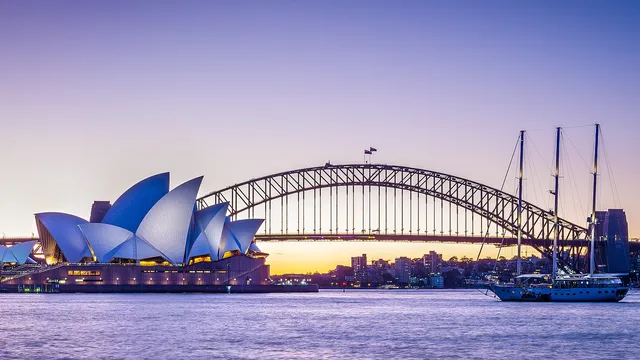
Travel in Australia: the complete practical guide
Plan a trip to Australia: when to go, the eVisitor, airports, driving on the left, distances, what to see from Sydney to Melbourne and itineraries.
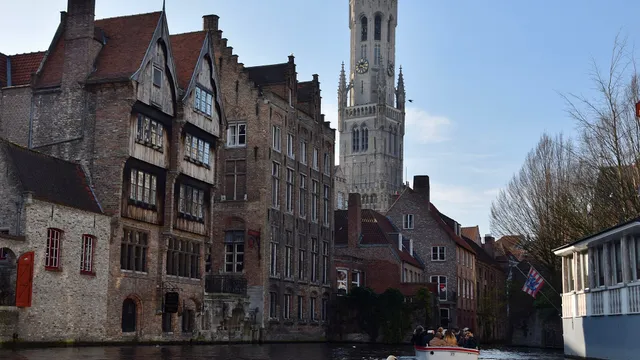
Travel in Belgium: the complete practical guide
Plan a trip to Belgium: when to go, entry rules, airports, trains, low emission zones, what to see from Brussels to Bruges and itineraries.
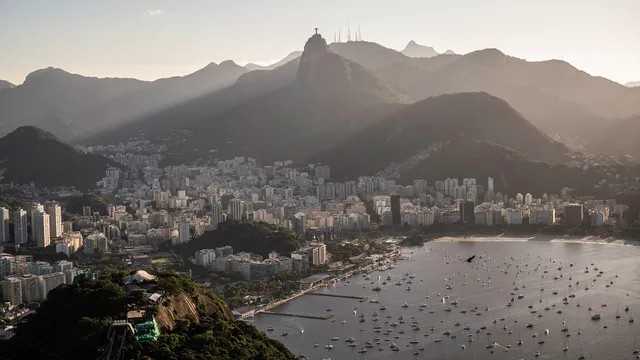
Travel in Brazil: the complete practical guide
Plan a trip to Brazil: when to go, entry rules, airports, transport, money, what to see from Rio de Janeiro to São Paulo and itineraries.