Things to do in Split: must-sees and where to stay
Contents
In short: Split is a lively city built inside a Roman emperor’s palace. Explore Diocletian’s Palace and its Peristyle, climb the bell tower of St Domnius Cathedral, stroll the Riva, head up Marjan hill, and set off for Trogir, the islands and the Krka waterfalls.
Diocletian’s Palace
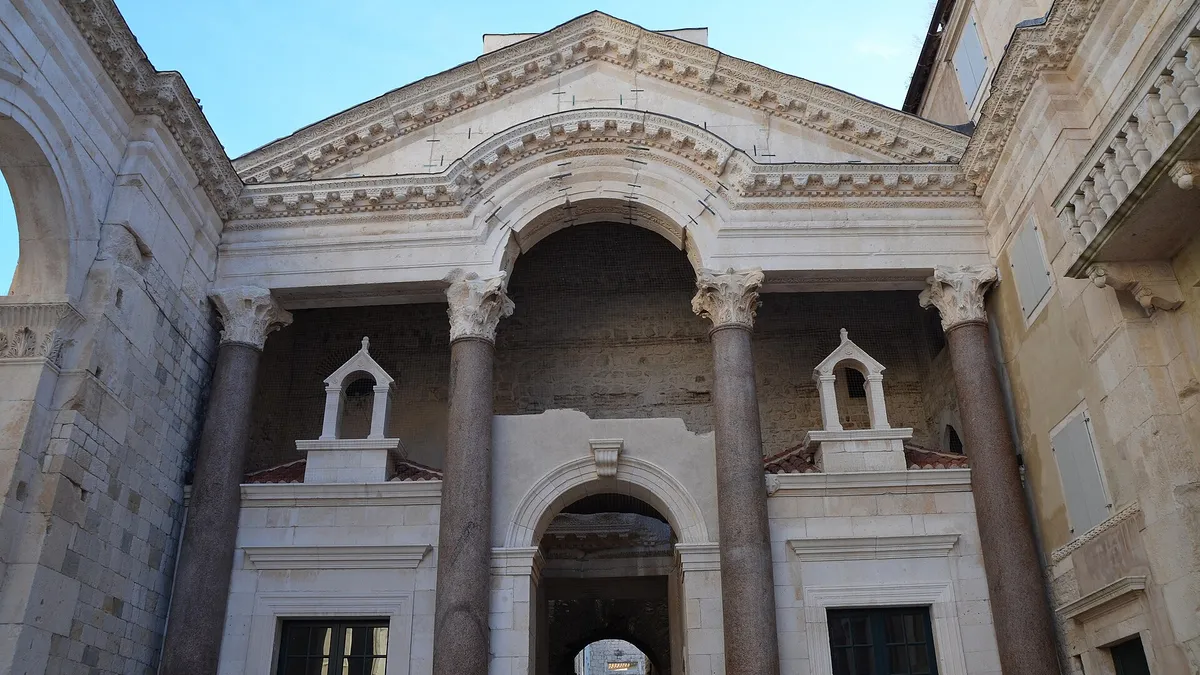
A UNESCO World Heritage Site, Diocletian’s Palace is no museum: people live, eat and sleep inside it. Its heart is the Peristyle, a colonnaded square; its vaulted cellars give an idea of the original layout.
St Domnius Cathedral
Set in the emperor’s mausoleum, St Domnius Cathedral is one of the oldest cathedrals still in use. Its bell tower offers views over the rooftops and the port.
The Riva
Along the harbour, the Riva is the seafront promenade where people meet on café terraces, from morning coffee to the evening stroll.
Marjan hill
West of the old town, pine-covered Marjan hill offers trails, viewpoints and quiet little beaches.
The beaches
Bačvice, the city’s sandy beach, is a few minutes’ walk from the centre; locals play picigin, a ball game, in the shallow water.
Day trips from Split
- Trogir, a small medieval town listed by UNESCO.
- The islands of Hvar, Brač or Vis, by ferry or catamaran.
- The Krka waterfalls, in the national park of the same name.
Getting around
- On foot in the old town and along the Riva.
- From the airport, a shuttle reaches the bus station, near the port, in about 30 to 40 minutes.
- Ferries and catamarans leave from the port, right next to the old town.
All our tips for the country: Travel in Croatia.
Where to stay in Split?
- Diocletian’s Palace (old town). Sleep inside a Roman palace: stone lanes, squares and restaurants. Ideal for: couples, first visit.
- Varoš. An old fishermen’s quarter at the foot of Marjan hill, quiet and picturesque. Ideal for: couples, charm.
- Bačvice. The city’s sandy beach, a few minutes’ walk from the centre, lively in the evening. Ideal for: nightlife, beach.
- Near the port. Bus station and ferries side by side, handy for heading to the islands. Ideal for: ferries, day trips.
The areas and useful services are on our Split page.
Frequently asked questions
How many days do you need in Split?
Two days for the city, plus one or two days for Trogir, the islands or the Krka waterfalls.
When should I visit Split?
June and September are calmer than July and August, with pleasant sea temperatures; May is good for exploring the city.
What currency does Croatia use?
Croatia uses the euro and is part of the Schengen area.
Related articles
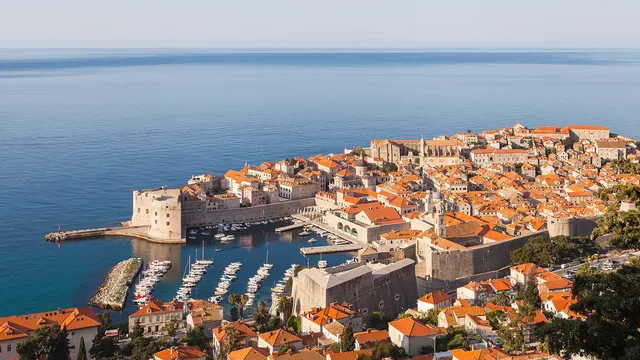
Things to do in Dubrovnik: the must-sees and our tips
What to see and do in Dubrovnik: the city walls, Stradun, the Rector's Palace, the Mount Srđ cable car, Lokrum island, kayaking, and trips to Ston and Kotor.
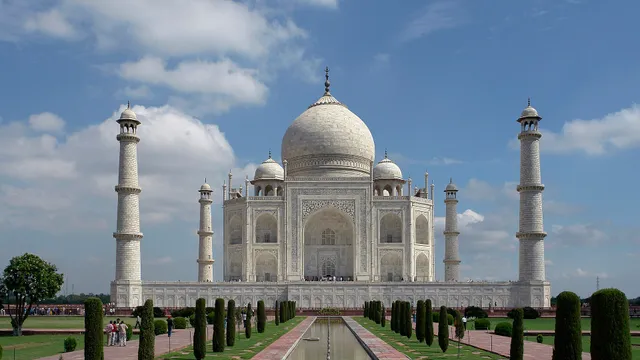
Things to do in Agra: the Taj Mahal, must-sees and where to stay
What to see and do in Agra: the Taj Mahal (closed on Fridays), Agra Fort, the "Baby Taj", Mehtab Bagh garden, Fatehpur Sikri and where to stay.
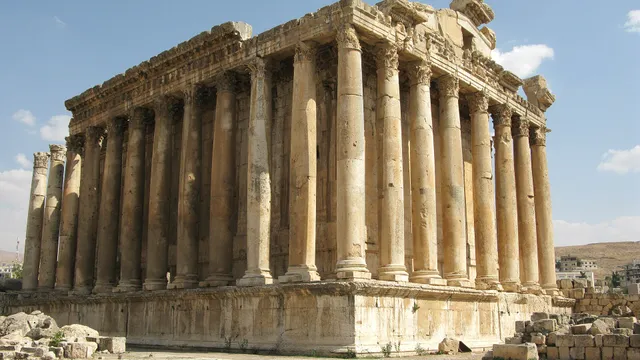
Things to do in Baalbek: the temples, Anjar and where to stay
What to see and do in Baalbek: the temples of Jupiter, Bacchus and Venus, the ancient quarry, the summer festival, the Anjar ruins and the Bekaa vineyards.