Renting a car in France: tips, rules and pitfalls to avoid
Contents
In short: rent a car to explore the regions and villages, not to visit Paris or the big cities. Book early, especially for an automatic, bring a credit card in the driver’s name, read the insurance terms carefully (excess, deposit), and find out about tolls and low-emission zones before you set off.
Do you really need a car?
- To visit Paris, Lyon or Marseille: no. Public transport works well, and traffic and parking are difficult and expensive.
- To travel between big cities: often not. Trains are fast and arrive in the city centre (see our guide Trains and buses in France).
- For the regions and the countryside: yes. Provence, the Dordogne, Brittany, Normandy, Alsace, the Loire châteaux, the hills behind Nice: a car gives you freedom that public transport cannot.
A good approach: arrive by train in a big city, then rent a car at the station to explore the region.
Rental requirements
- Age: usually at least 21, with a frequent young-driver surcharge under 25; some categories require more.
- Licence: held for at least one year, often two depending on the company. An EU licence is valid; for a non-EU licence, check the conditions (translation or International Driving Permit).
- Credit card: in the main driver’s name, for the deposit, which is held on the card during the rental.
- Additional driver: must be named on the contract, often for a fee.
Insurance, excess and deposit explained
The base price usually includes third-party insurance and damage cover with an excess (deductible): the amount you still pay if the car is damaged or stolen. It can be high.
- Excess reduction or waiver (offered by the rental company or the booking site) lowers or removes that amount.
- Some premium credit cards include rental car cover: check its exact conditions before declining the company’s insurance.
- The deposit is an amount held on your credit card and released after the car is returned.
Before signing, read what is excluded (tyres, windows, underbody, roof) and what happens in case of a breakdown.
When you pick up and return the car
- Walk around the car with the agent and photograph every scratch, including the wheels and windscreen.
- Check the fuel policy: “full to full” (return the tank full) is usually the simplest.
- Check the fuel type: diesel (gazole) or petrol (SP95, SP98). A mistake can be expensive.
- Check the mandatory equipment: a high-visibility vest and a warning triangle must be in the car.
- When you return it, keep proof of the car’s condition and fuel level (dated photos).
Driving in France: the essential rules
- Drive on the right, and “priority to the right” applies at some unmarked junctions.
- Speed limits (unless signposted otherwise): 130 km/h on motorways (110 km/h in the rain), 110 km/h on dual carriageways (100 km/h in the rain), 80 km/h on most two-way roads (90 km/h on some, depending on the département), 50 km/h in towns and often 30 km/h in city centres.
- Speed cameras are everywhere, and fines are sent to the rental company, which charges them back to you.
- Alcohol: the limit is 0.5 g/l of blood (0.2 g/l for new drivers).
- Phones: holding a phone while driving is banned, as are earphones.
- Children: a suitable car seat is mandatory; book it with the car.
Rules and fine amounts change: check the official French road safety (Sécurité routière) website before you go.
Tolls, parking and low-emission zones
- Tolls: most motorways charge tolls. You pay at the barrier by bank card, or with an electronic toll tag. Some motorways are “free flow”, with no barriers: you pay online afterwards, within the stated deadline.
- Parking: often paid in city centres, at a meter or via an app. Park-and-ride car parks on the outskirts of big cities are a good option.
- Low-emission zones (ZFE): some big cities restrict traffic according to a vehicle’s Crit’Air sticker. The rules are changing: check the official website before driving into a city, and ask the rental company whether the car has a sticker.
Our tips to pay less and avoid bad surprises
- Book early, especially in summer and during French school holidays, and for an automatic.
- Compare several companies and look at the total price: excess, mileage, additional driver, child seat.
- Avoid one-way rentals if you can: returning the car in another city often adds fees.
- Check cross-border travel if you plan to drive to Switzerland, Italy or Spain: it must be allowed in the contract.
- Choose a small car for villages and narrow roads: it is much easier to park.
Going further
To plan your route, see our guide Travel in France. Consider travel insurance that covers your medical costs in case of an accident.
Frequently asked questions
How old do you have to be to rent a car in France?
Most rental companies require drivers to be at least 21 and to have held a licence for one or two years. Young drivers often pay a surcharge. Conditions vary by company and car category: check them before booking.
Do I need a credit card to rent a car in France?
Usually, yes: a credit card in the main driver's name is required for the deposit. Some debit cards are not accepted. Check the rental company's conditions when you book.
Can I drive in France with a US or other non-EU licence?
An EU licence is valid. A non-EU licence, such as a US licence, is generally accepted for a short stay, sometimes with an official translation or an International Driving Permit: check with the rental company and on the official French government website.
Should I rent a manual or an automatic?
Manual cars are still the most common in France. If you only drive automatics, book early: they are less widely available, especially in high season.
Related articles
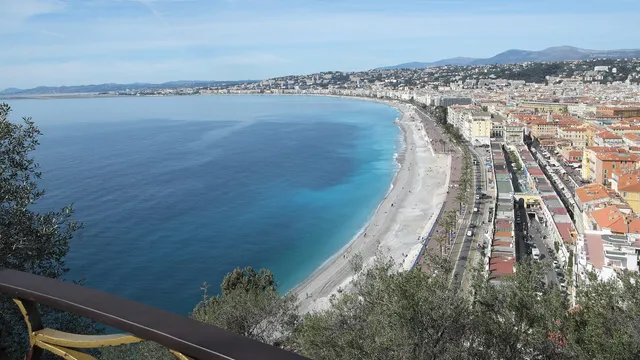
Nice airport to the city centre: tram, taxi or transfer
How to get from Nice Côte d'Azur airport to central Nice: tram line 2, taxi or booked transfer, plus our tips for a smooth arrival.
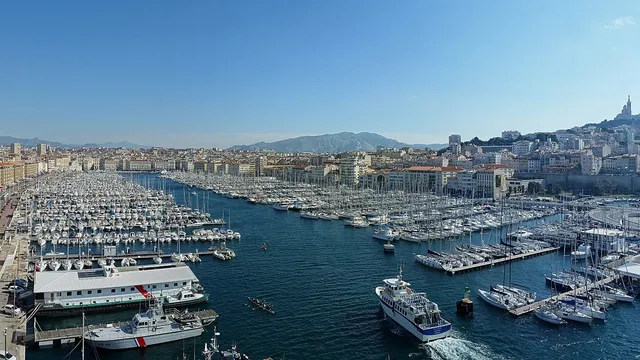
France on a budget: our tips to spend less
Travelling in France on a budget: cheaper trains and buses, accommodation, meals, free museums, city transport and the best times to go.
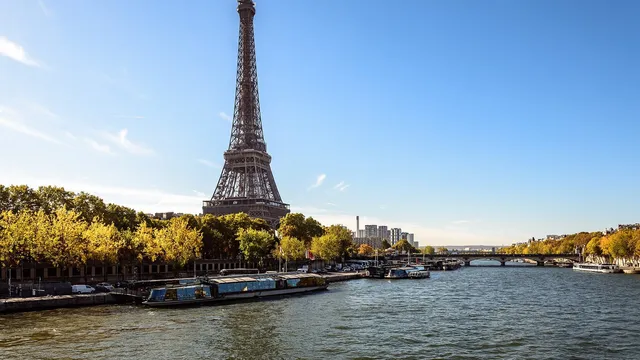
Travelling in France: 12 mistakes to avoid
The most common mistakes when travelling in France: bookings, restaurant hours, Sundays, driving in Paris, tipping, scams and public transport.