France on a budget: our tips to spend less
Ideal for: On a budgetSoloFamiliesCouples
Contents
In short: to travel in France without blowing your budget, avoid French school holidays, book trains early (or take the bus and carpool), stay in hostels or B&Bs, eat the lunch set menu, picnic with market produce and enjoy free museums and walks. A carafe of water is free in restaurants.
Choose the right time
This is the most effective tip: outside French school holidays and summer, trains, accommodation and car rentals are often much cheaper, and sites less crowded. See our guide When to visit France.
Getting around for less
- Book trains early: fares rise as departure approaches. Low-cost TGVs (OUIGO) and SNCF discount cards can bring the price down; compare them for your route.
- Take long-distance buses: slower than the train, but often much cheaper between big cities.
- Consider carpooling, very common in France, for trips between cities or out to the countryside.
- In cities, use public transport: day or weekly passes are often better value than single tickets.
- Only rent a car for the countryside, and just for a few days (see Renting a car in France).
Full details in our guide Trains and buses in France.
Sleeping for less
- Hostels, plentiful in big cities, also offer private rooms.
- B&Bs (chambres d’hôtes), often with breakfast, are a lovely way to discover the regions.
- Apartments with a kitchen, handy for families or several nights.
- Change neighbourhood: in Paris as elsewhere, a slightly outlying but well-connected place is often cheaper (see Where to stay in Paris).
- Compare dates: weekend and weekday prices differ from city to city.
Eating for less
- The lunch set menu (formule: starter and main, or main and dessert) is much cheaper than the evening menu in most restaurants.
- A carafe of water is free in restaurants, and tap water is safe everywhere.
- Picnics with produce from the market, the bakery and the cheese shop: a truly French pleasure.
- Bakeries for breakfast and a quick lunch.
- Markets and covered food halls, where you often eat well for little.
Sightseeing for less
- National museums are often free for under-26s resident in the European Union; some museums also offer free days or evenings.
- Museum passes and city passes can be worthwhile if you plan lots of paid visits: compare with what you actually intend to see.
- Free pleasures: parks and gardens, historic districts, churches, markets, the banks of the Seine, beaches and hikes.
- Pay-what-you-wish walking tours are available in several big cities.
Small savings that add up
- Pay by card with no foreign fees if your bank allows it, and decline conversion into your home currency offered by some terminals.
- Get a travel eSIM rather than paying roaming charges if your plan doesn’t cover Europe (see Internet in France).
- Carry a water bottle: public fountains are common in cities.
Going further
To plan the rest of your trip, see our guide Travel in France and our France itinerary.
Frequently asked questions
What is the cheapest time to visit France?
Outside French school holidays and summer: November, January to March (outside ski resorts) and some weeks in spring and autumn. Trains and accommodation are often cheaper then.
Are museums free in France?
Many national museums and monuments are free for under-26s resident in the European Union, and some museums offer free days or evenings. Check the conditions on each museum's website.
Is water free in French restaurants?
Yes: you can ask for a carafe of tap water, served free of charge in restaurants. Tap water is safe to drink everywhere in France.
Related articles
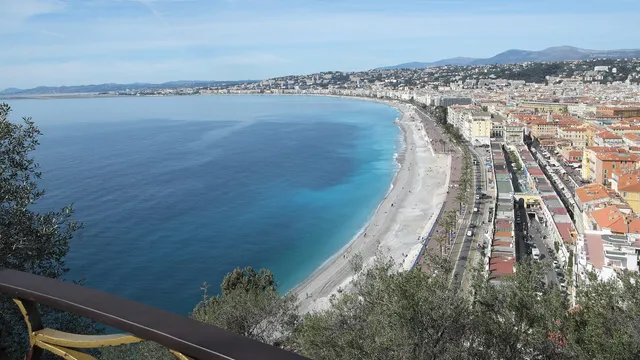
Nice airport to the city centre: tram, taxi or transfer
How to get from Nice Côte d'Azur airport to central Nice: tram line 2, taxi or booked transfer, plus our tips for a smooth arrival.
Renting a car in France: tips, rules and pitfalls to avoid
Renting a car in France: age, licence, credit card, insurance and excess, tolls, Crit'Air, speed limits, plus our tips for choosing the right deal.
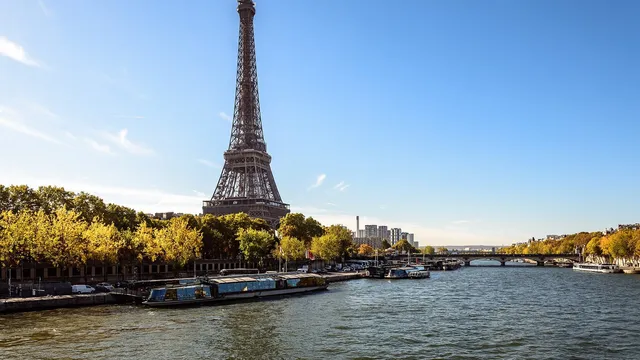
Travelling in France: 12 mistakes to avoid
The most common mistakes when travelling in France: bookings, restaurant hours, Sundays, driving in Paris, tipping, scams and public transport.