Things to do in Istanbul: the must-sees and our tips
Ideal for: CouplesSoloFamiliesOn a budget
Contents
In short: Istanbul, straddling Europe and Asia, is best explored on foot and by ferry. Start with Sultanahmet (Hagia Sophia, the Blue Mosque, Topkapı), dive into the Grand Bazaar, go up the Galata Tower, then cross the Bosphorus to the Asian side. Get an Istanbulkart as soon as you arrive: it works everywhere.
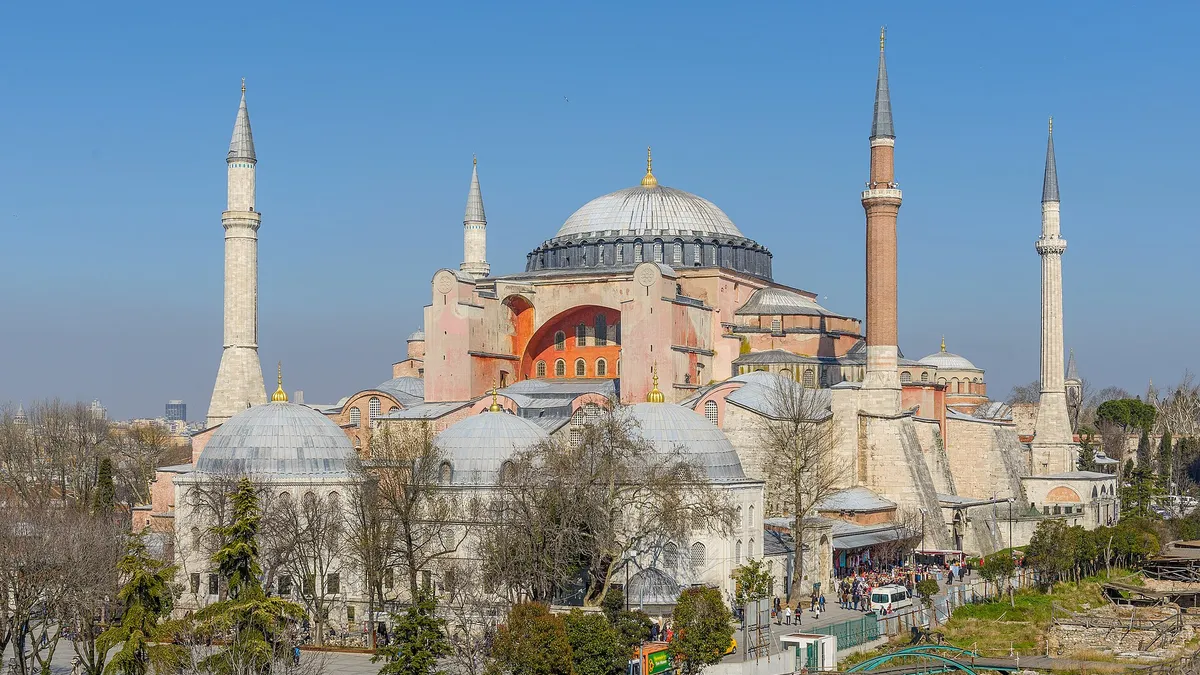
Hagia Sophia and the Blue Mosque
Facing each other across Sultanahmet Square, Hagia Sophia, a Byzantine basilica turned mosque, and the Blue Mosque, with its six minarets and Iznik tiles, are the city’s two great landmarks. Entry to Hagia Sophia is paid for foreign visitors. Modest clothing and respect for prayer times in both.
Topkapı Palace and the Basilica Cistern
Home of the Ottoman sultans for centuries, Topkapı Palace spreads out its courtyards, pavilions, treasury and Bosphorus views. Nearby, the Basilica Cistern, a huge Byzantine underground reservoir with lit columns, is one of Istanbul’s most striking visits.
The Grand Bazaar and the Spice Bazaar
The Grand Bazaar, one of the oldest covered markets in the world, has thousands of shops: carpets, ceramics, jewellery, lamps. By the Eminönü harbour, the Spice Bazaar smells of spices, Turkish delight and dried fruit. Haggling is part of the game.
The Süleymaniye Mosque and Balat
On a hill above the Golden Horn, the Süleymaniye Mosque, a masterpiece by the architect Sinan, offers a superb view. Further on, the Balat district and its colourful houses make for a long, pleasant walk.
Galata, İstiklal and Beyoğlu
Across the Golden Horn, the Galata Tower offers a panorama over the whole city. Pedestrian İstiklal Avenue leads to Taksim Square, with its little historic tram. The Beyoğlu district is packed with cafés, galleries and nightlife.
The Bosphorus and the Asian side
A Bosphorus cruise passes palaces, mosques and Ottoman waterside villas, including Dolmabahçe Palace. For a local experience, take a regular ferry to Kadıköy, on the Asian side: market, cafés and a neighbourhood feel.
The Princes’ Islands
Offshore, the Princes’ Islands (Adalar) are reached by ferry: wooden villas, pine woods and small beaches, with no cars. Ideal for a quiet day.
Eating in Istanbul
A Turkish breakfast, a simit (sesame bread ring), the fish sandwich at Eminönü, meze, baklava and a Turkish tea or coffee to finish. And to relax, a traditional hammam.
What about Cappadocia?
Cappadocia, with its fairy chimneys and hot-air balloons, is about an hour’s flight from Istanbul. All the tips in our guide Travel in Türkiye.
Getting around
- The Istanbulkart, a rechargeable card, works on trams, the metro, buses and ferries.
- From Istanbul Airport, metro line M11 reaches Gayrettepe in about 35 to 40 minutes; Havaist shuttle buses serve the main districts.
Where to stay in Istanbul
Sultanahmet to be right by the monuments, Beyoğlu and Galata for atmosphere, Karaköy for a trendy feel, Kadıköy for local life on the Asian side. Every area is detailed in our guide Where to stay in Istanbul.
Frequently asked questions
How many days do you need in Istanbul?
Three to four days cover the essentials: Sultanahmet (Hagia Sophia, the Blue Mosque, Topkapı, the Basilica Cistern), the bazaars, Galata and a Bosphorus crossing. Add a day for the Asian side or the Princes' Islands.
What should I wear to visit mosques?
Modest clothing: shoulders and knees covered, and a headscarf for women. Shoes come off at the entrance. Avoid prayer times, when visits are paused.
How do you get around Istanbul?
On foot, by tram, metro and ferry. The rechargeable Istanbulkart works on all of them, including the Bosphorus ferries.