Things to do in Brussels: the must-sees and our tips
Ideal for: CouplesSoloFamiliesOn a budgetSeniors
Contents
In short: Brussels’ centre is best explored on foot. Start with the Grand-Place, stroll through the Royal Saint-Hubert Galleries, say hello to the Manneken Pis, head up to the Mont des Arts for the museums, then on to the Atomium. Follow the murals of the comic strip route, and keep a day for Bruges or Ghent. For treats: chocolate, waffles and fries.
The Grand-Place and the Îlot Sacré
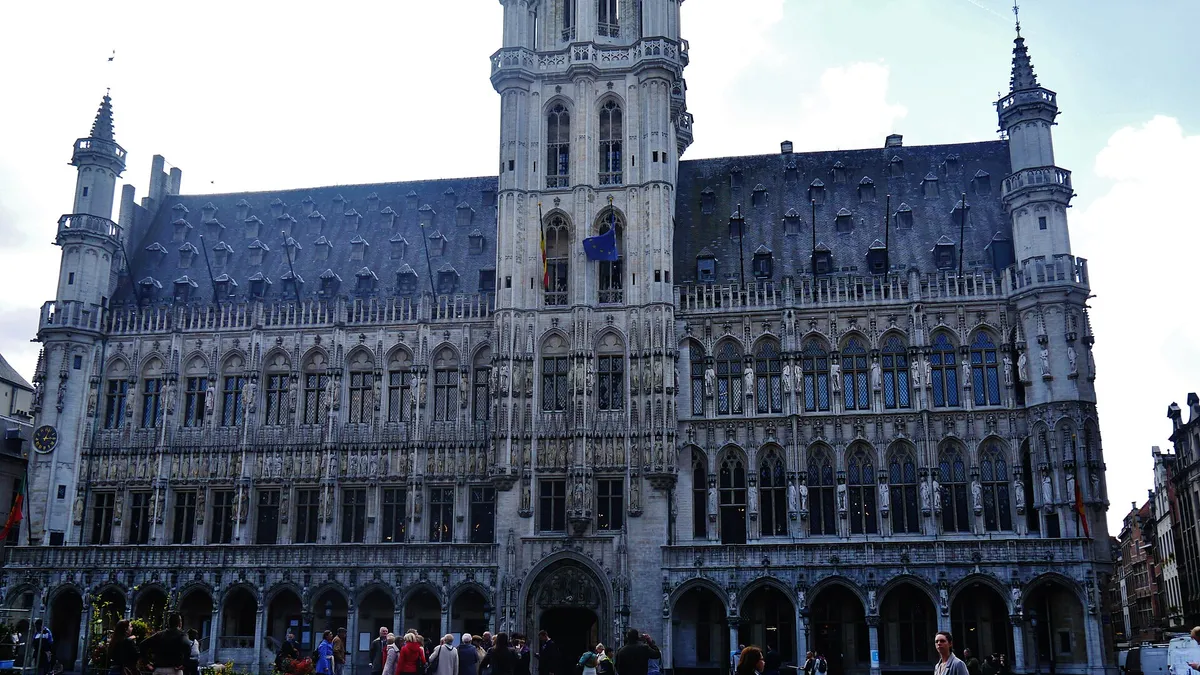
A UNESCO World Heritage Site, the Grand-Place is one of the most beautiful squares in Europe, framed by the Gothic town hall and the guild houses with their gilded façades. Come back at night, when it is lit up. Around it, the lanes of the Îlot Sacré are packed with restaurants.
The Saint-Hubert Galleries and the Manneken Pis
The Royal Saint-Hubert Galleries, 19th-century covered arcades, house chocolatiers, bookshops and cafés. A few streets away, the Manneken Pis, a tiny statue regularly dressed in costumes, still draws crowds; his “sister”, the Jeanneke Pis, hides down an alley.
The Mont des Arts and the museums
From the Mont des Arts, the view opens onto the lower town and the town hall spire. Close by:
- the Royal Museums of Fine Arts, from the Flemish Primitives to modern painters;
- the Magritte Museum, devoted to the master of surrealism;
- the Musical Instruments Museum, in a former Art Nouveau department store.
The Atomium and the north of the city
Built for the 1958 World’s Fair, the Atomium represents an iron crystal magnified; its spheres can be visited and offer a view over the city. At its foot lie Laeken Park and the Royal Greenhouses (open only a few weeks a year).
The comic strip route and Art Nouveau
Brussels is the capital of comics: the comic strip route links dozens of murals painted on façades (Tintin, Gaston, Lucky Luke…), and the Belgian Comic Strip Center occupies an Art Nouveau building. Architecture lovers should seek out Victor Horta’s façades, including the Horta Museum, a UNESCO site.
The European Quarter and the parks
The European Quarter gathers the EU institutions, with the Parlamentarium to understand how they work. Nearby are Cinquantenaire Park and its arcades, and Brussels Park opposite the Royal Palace.
Day trips from Brussels
- Bruges: canals, belfry and medieval houses, about an hour away by train.
- Ghent: a lively medieval centre and the famous Ghent Altarpiece.
- Antwerp: its monumental station, its cathedral and the fashion district.
Getting around
- On foot in the centre; metro, trams and buses for the rest.
- From the airport, the train reaches Central Station in about 15 to 20 minutes.
- From Paris, the high-speed train arrives at Brussels-Midi in about 1 hour 20.
All our tips for the country: Travel in Belgium.
Where to stay in Brussels?
The centre around the Grand-Place for a first visit, the Sablon for couples, Sainte-Catherine for local life, Ixelles and Saint-Gilles for going out. All the areas are covered in our guide Where to stay in Brussels.
Frequently asked questions
How many days do you need in Brussels?
Two days are enough for the centre, the museums and the Atomium; add a day for Bruges or Ghent, both well connected by train.
Can you explore Brussels on foot?
The historic centre, yes: the Grand-Place, the galleries and the Mont des Arts are close together. The metro and trams take you to the Atomium and outlying areas.
Can you drive into Brussels?
You can, but the whole region is a low-emission zone: a foreign-registered vehicle must be registered online, free of charge, before entering. The train is often simpler.
Related articles
Where to stay in Brussels: the best areas for your trip
Grand-Place, Sablon and Marolles, Sainte-Catherine, Ixelles, Saint-Gilles, the European Quarter: where to stay in Brussels for your travel style.
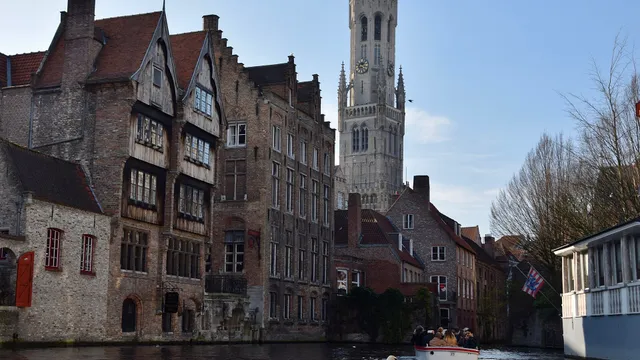
Things to do in Bruges: must-sees and where to stay
What to see and do in Bruges: the Markt and belfry, the Burg, canal boat trips, the Béguinage, the Minnewater, Michelangelo's Madonna, Flemish Primitives.
Things to do in Agra: the Taj Mahal, must-sees and where to stay
What to see and do in Agra: the Taj Mahal (closed on Fridays), Agra Fort, the "Baby Taj", Mehtab Bagh garden, Fatehpur Sikri and where to stay.