Algiers Centre
Ideal for: first visit, culture
Grand boulevards, cafés, shops and the Grande Poste, a short walk from the Casbah.
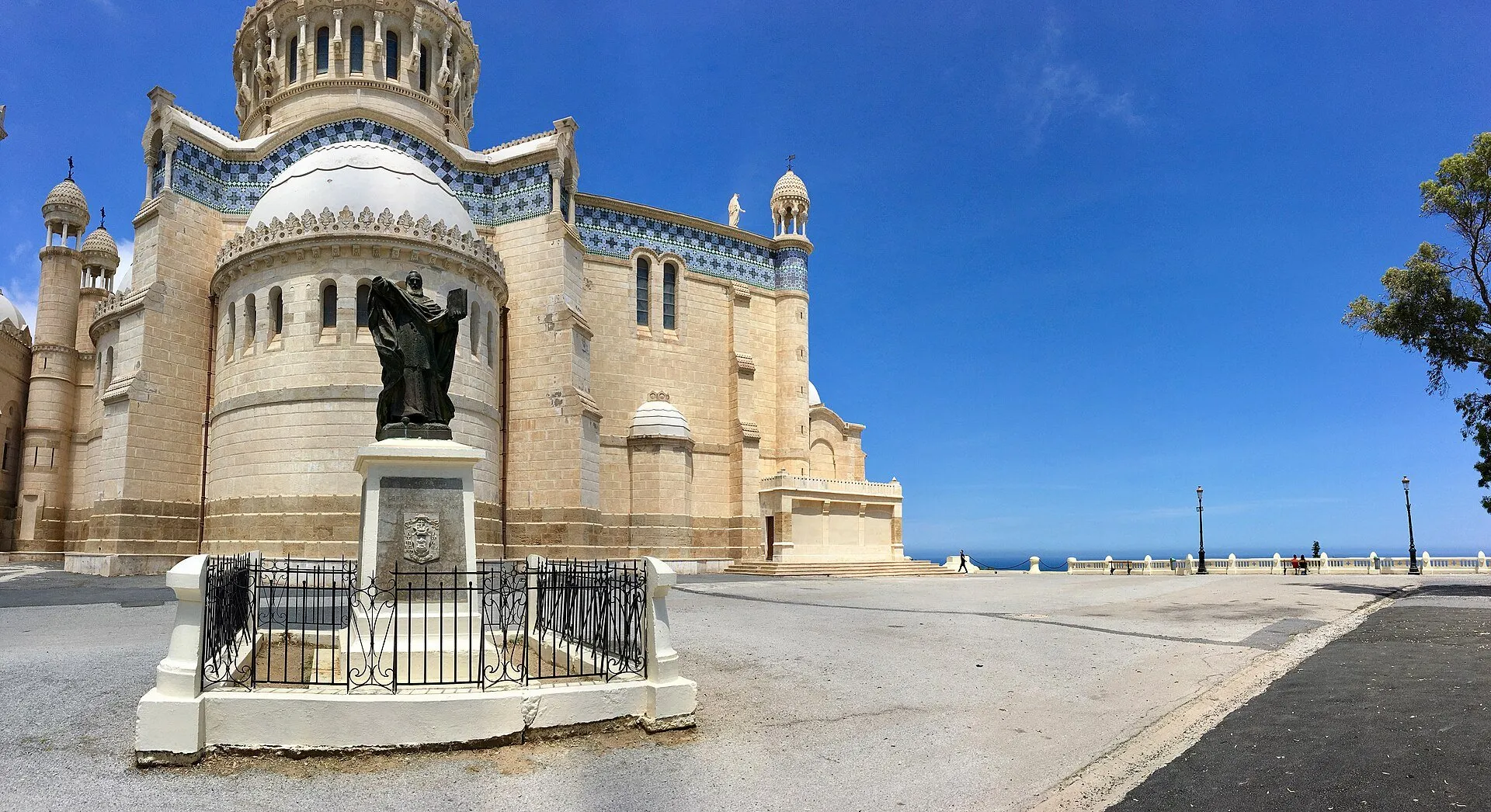
"Algiers the White", its UNESCO-listed Casbah, its bay and Notre-Dame d'Afrique.
First visit: where to stay
Algeria: the essentials
Ideal for: first visit, culture
Grand boulevards, cafés, shops and the Grande Poste, a short walk from the Casbah.
Ideal for: comfort, quiet
Residential districts on the heights, with hotels and restaurants, quieter.
Ideal for: beach, families
A seaside resort and marina, west of the city.
The warmest months are July and August (average highs up to 33 °C); the coolest, January and February (average lows of 6 °C). The driest months: June and July; the wettest: November and December.
| Month | Average low and high | Rain |
|---|---|---|
| Jan | 84 mm | |
| Feb | 72 mm | |
| Mar | 59 mm | |
| Apr | 58 mm | |
| May | 39 mm | |
| Jun | 9 mm | |
| Jul | 2 mm | |
| Aug | 11 mm | |
| Sept | 28 mm | |
| Oct | 52 mm | |
| Nov | 103 mm | |
| Dec | 86 mm |
Averages from the Algiers (Houari Boumediene Airport) weather station (1991–2020 normals): the weather in any given year may differ. Source: Wikipedia, “Algiers” (accessed 28 October 2026), CC BY-SA 4.0. This table is shared under the same licence.
Nicknamed “Algiers the White”, the capital tumbles down towards its bay like an amphitheatre. Its Casbah, the Ottoman old town, has been a UNESCO World Heritage site since 1992.
A train links Houari Boumediene Airport to Agha station, in the centre, in about 20 to 25 minutes (check timetables with SNTF). Taxis and pre-booked transfers are handy with luggage.
All our tips for the country: Travel in Algeria.